



5 Best Crops to Grow in Gujarat for Maximum Profit in 2025

Gujarat is one of the largest states in India, and its diverse range of soils and weather conditions allows for a variety of crops to grow in the state. Hailed as a “Growth Engine of India”, the state boasts fertile lands and climate zones, with its main soils- alluvial soil, black soil and red soils, which are optimal to grow a wide variety of crops.
The state is always open to innovations and farmer-friendly policies, and robust agricultural infrastructure. Here are the five crops that will give a massive yield and substantial profit. Check out today's Gujarat Mandi Rates in the Shuru app.
5 crops best for the Gujrat Terrain 2025
1. Cotton
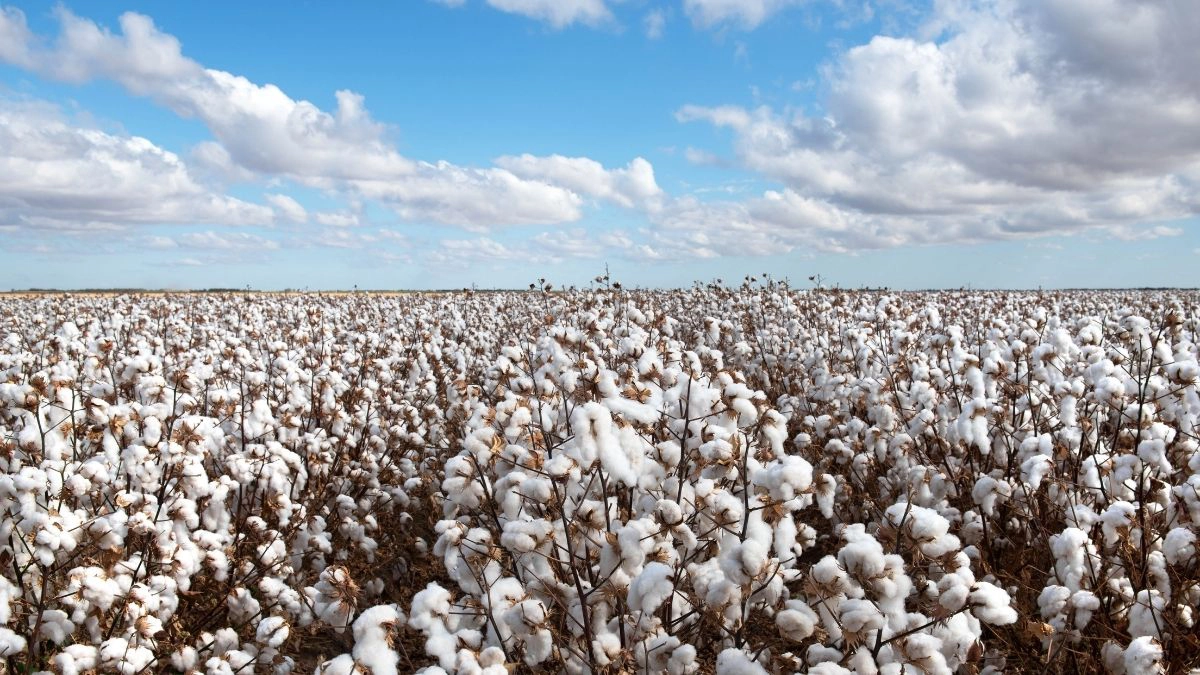
Gujarat has been the largest producer of cotton in India for many years. It is due to the presence of top-quality black soil. Cotton is a cash crop used in the textile industry in Gujarat and is exported all over India. Gujarat is known for contributing to national cotton production.
Gujarat has warm weather, and cotton needs a long growing season with ample sunlight. Cotton farming is massive in Gujarat. Cotton is used in textiles, and cotton seeds are used in making oil and animal feeds. Thus, it is the best crop to grow in Gujarat. Check out the current rates of cotton in Rajkot Mandi Bhav.
Challenges and opportunities:
Cotton cultivation can be susceptible to pest attacks like bollworm, unpredictable rainfall patterns. These challenges can be overcome by advanced seeds and integrated pest management strategies (IPM).
2. Groundnut
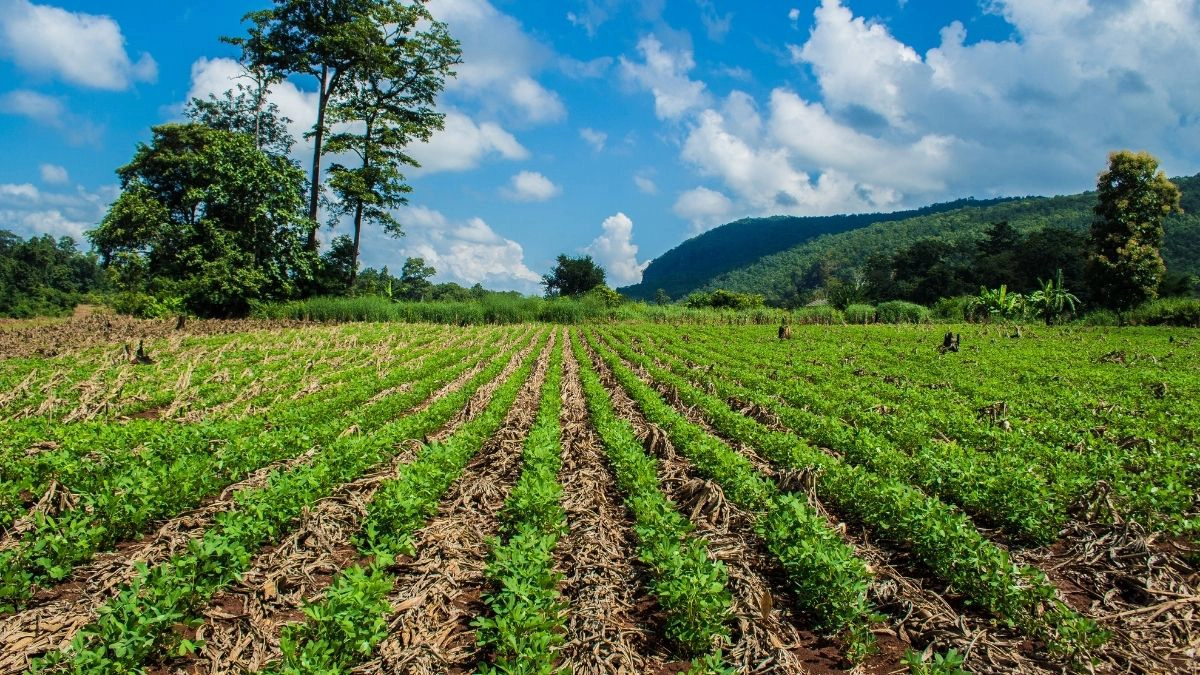
Groundnut is another profitable crop to grow in Gujarat. It's a vital oilseed crop and food crop. Similar to cotton, groundnut needs a warm and tropical climate, and as it is a Kharif crop, it requires moderate rainfall during the growth period. Its cultivation requires sandy loam soil, especially found in the Saurashtra region. Red soil is also suitable for it. Check the price of groundnut in the Bhavnagar Mandi Bhav Today.
Challenges and Opportunities:
Groundnut farming may need high-quality seeds for more profit, and prime pest care, as it is vulnerable to diseases like stem and collar rot. However, to increase profit and production, invest in disease-resistant seeds, drought-tolerant cultivars, and intercropping with crops like pigeonpea.
3. Wheat (Genhu)
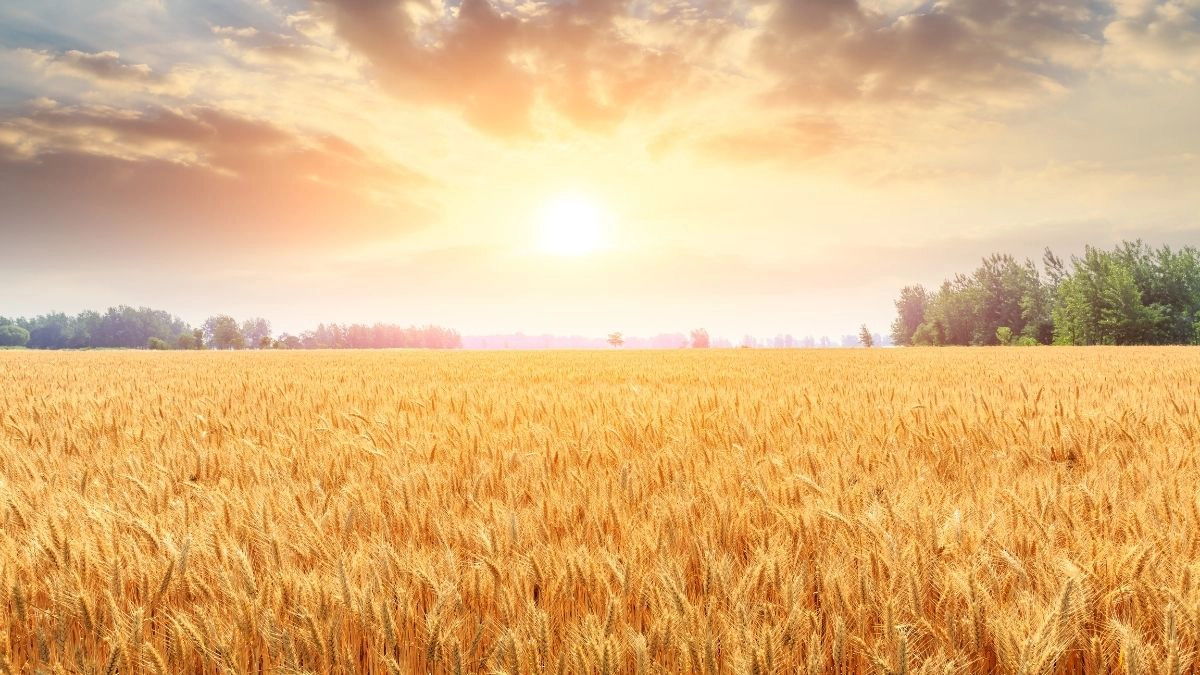
Wheat is the most consumed crop in North-West India. It is a Rabi crop which requires cool, dry climatic conditions during its growing period. Gujarat winters provide these ideal conditions.
Gujarat’s Alluvial and black soil is perfect for wheat. It is a significant food crop, and it guarantees strong demand and steady pricing. There are several government policies for wheat. Junagrah in Gujarat is known for producing wheat in large quantities.
Challenges and Opportunities:
Wheat needs a large amount of water for irrigation. The availability of water is a limiting factor in some regions of Gujarat. Adoption of a high-yielding variety (Wheat 1346) and modern farming techniques boosts wheat productivity in the state.
4. Onion (Kanda/Pyaz)
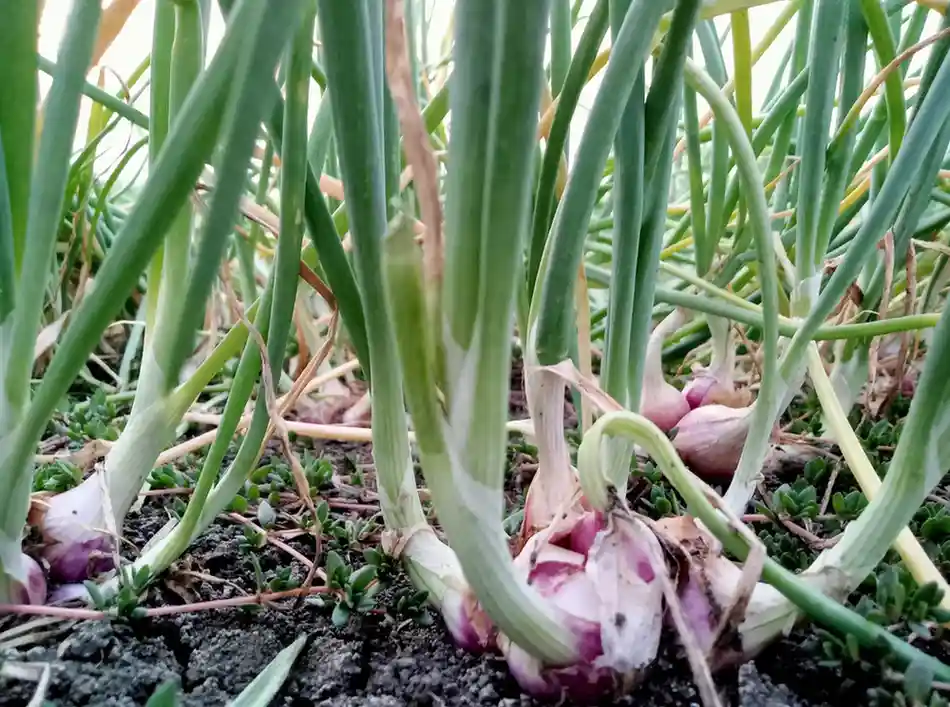
Gujarat is also known for its various vegetable productions. Potatoes, tomatoes and onions are among the best vegetable crops to grow in Gujarat. Onions are a versatile vegetable with high consumption and processing demand, making them a profitable crop for farmers. The main regions where onions are cultivated are Bhavnagar, Amreli, and Rajkot.
Onions are grown in a cool and dry climate. This is a rabi crop that requires moderate temperature and less humidity. It can be grown in loamy and black soils. Onions have a high and continuous market demand throughout the year, ensuring steady income for farmers. Check out the current price of onions in Surat Mandi.
Challenges and Opportunities:
The main challenge is onion cultivation is its price fluctuation and storage problem. Diseases like thrips and downy mildew can also affect yields. Dehydrating onions is a good choice as their demand is increasing, and they can be exported without spoiling.
5. Cumin (Jeerea)
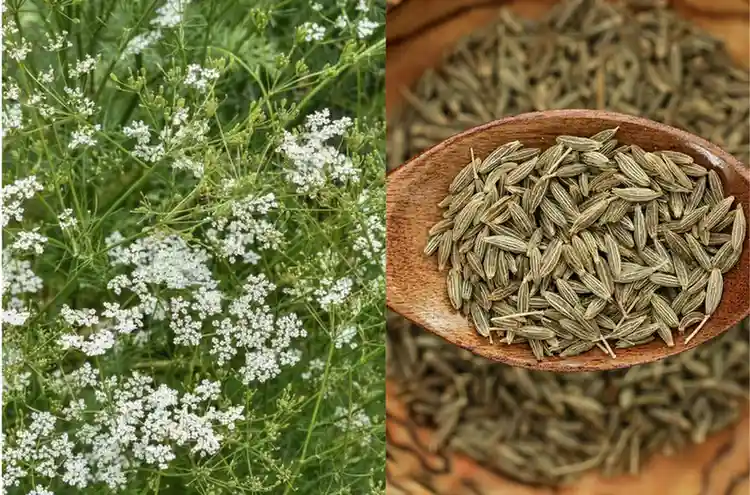
Cumin is one of the spices widely used in India. It has a significant consumption and domestic export. It is a cash crop with a relatively high market price. Cumin needs warm and dry weather with loamy and black soils. It is a high-value crop, especially for those who produce high-quality produce.
According to the Times of India, the production of cumin increased in the year 2024 to 2025 by 92 per cent due to increased sown area. This is a good time to grow cumin for massive profit.
Challenges and Opportunities:
Common challenges are diseases such as blight and wilt, but these can be easily avoided by the best agricultural practices and management techniques. Cumin is profitable if someone has access to a market. The growing global demand for spices ensures a robust market.
Conclusion:
Gujarat's agricultural industry is evidence of the state's modern farming methods, its diverse topography, and the tenacity of its farmers. However, because of their economic importance and suitability for the region, cotton, groundnut, wheat, cumin, and potatoes stand out as the top five crops to cultivate in Gujarat.