



Higher profit, Less risk: 5 crops to grow in Haryana
Haryana, also known as the “Breadbasket of India”, is always known for its farming and producing staple food on a large scale. The key crops to grow in Haryana are wheat, rice, bajra, sugarcane, jowar, gram, and tobacco, etc. The state is making significant contributions to major Kharif and Rabi crops, thanks to its advanced agricultural technology, diverse soil types, and favourable climatic conditions, all of which are combined with government support and schemes. These elements collectively enable it to solidify its position as a leading agricultural state.
Types of crops in India
In India, crops are divided into two cropping seasons: Kharif (crops grown during the Monsoon) and Rabi (crops grown in winter).
-
Kharif crops: This term is used to describe crops that are sown in the monsoon and harvested in early winter. The main Kharif crops in Haryana are rice, bajra, cotton, maize, sugarcane, and vegetables, etc.
-
Rabi crops: These crops are grown in early winter and harvested in the early summer season. These crops are wheat, mustard, gram, barley, tobacco, linseed, peas, and vegetables. Check the rate of peas in Bundi Mandi.
5 best crops to grow in Haryana: Farmer’s choice!
1. Wheat
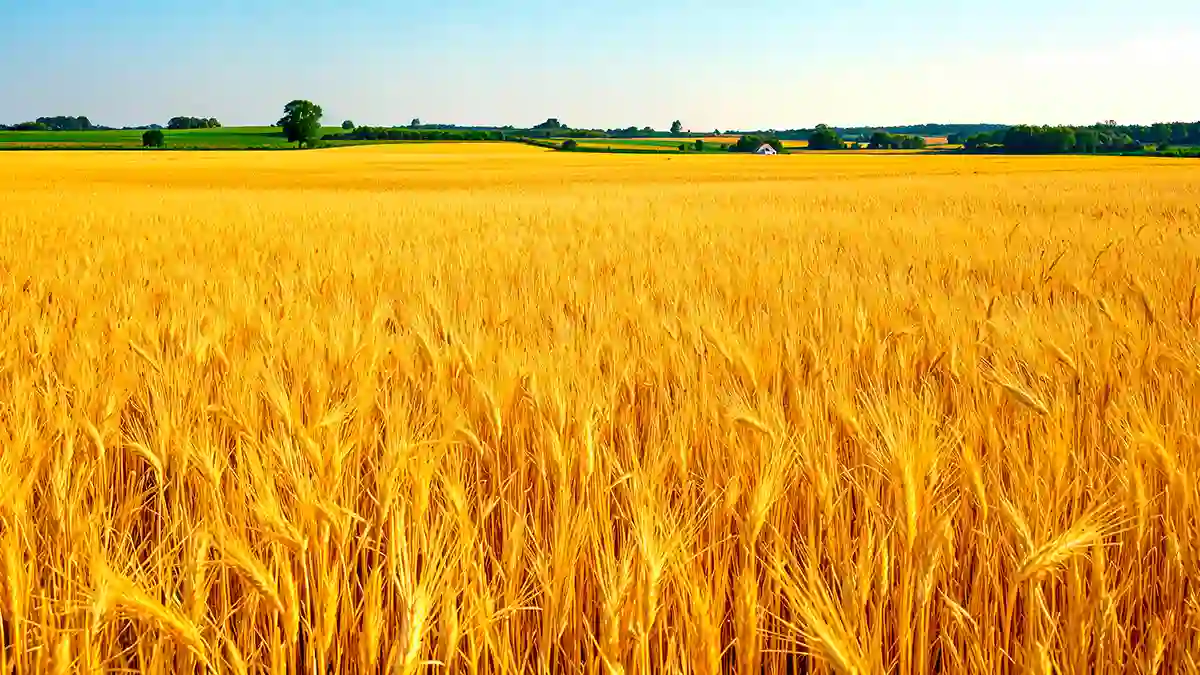
Wheat is a rabi crop consumed in large quantities across India. It is the most cultivated crop in North India, with leading contributors from Uttar Pradesh, Madhya Pradesh, and Haryana. As it grows in winter, the main months are October to December, with harvesting in April and June. The main wheat varieties extensively cultivated are HD 3226, Sonalika, and Karan Aishwarya. With an annual production in Haryana ranging from approximately 10-12 million tonnes, wheat remains a major crop cultivated here. Check the real-time price of wheat in Narnaul Mandi in the Shuru app.
| Category | Details |
|---|---|
| Crop type | Rabi crop |
| Ideal Climate | 21-26°C, Winter season |
| Soil Type | Loamy and Clayey soil |
| Challenges | Rising temperatures |
| Government support scheme | MSP, Direct Benefit Transfer (DBT), Pradhan Mantri Fasal Bima Yojana (PMFBY). |
| MSP 2025-26 | ₹2,425 per quintal |
2. Rice
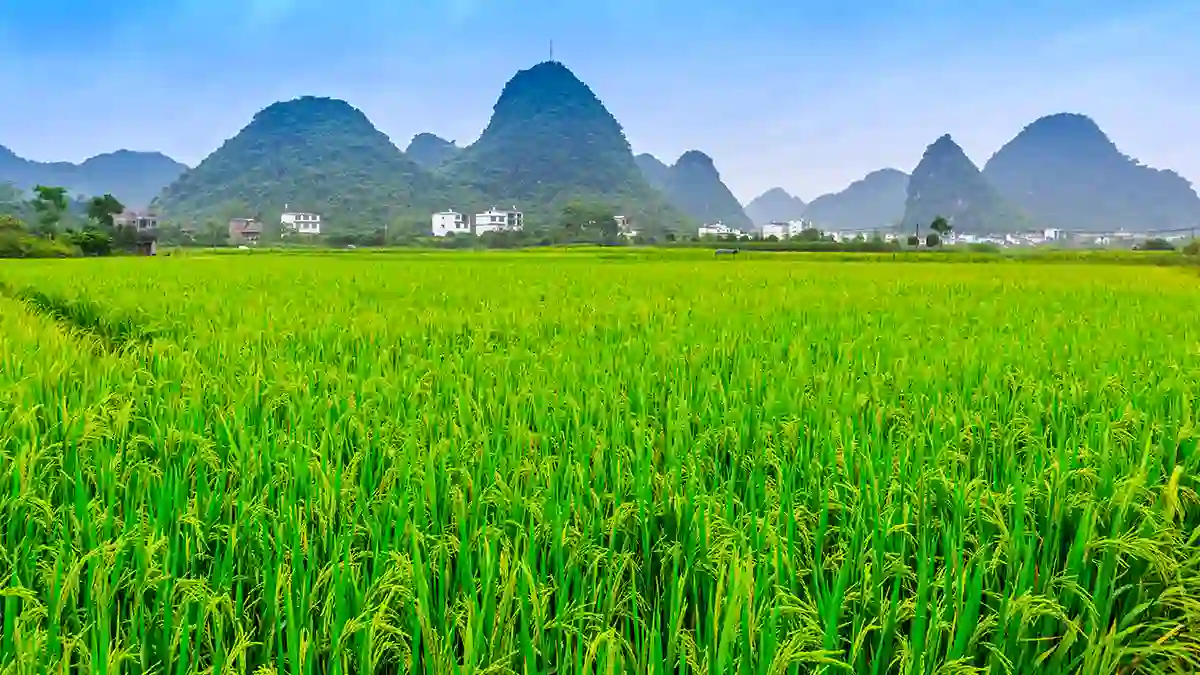
Rice is a rich source of carbohydrates and the second most consumed crop in India. It is a crop that takes much water to grow and harvest, which is why it is sown in June and July and harvested in September and November. The state cultivates popular varieties of rice like basmati rice, PUSA 1121, Swarna, PB-1509, Haryana Shankar Dhan, and HKR 46 and 48, making them major rice crops to grow in Haryana. Besides wheat, it also plays a significant role in growing rice, with an annual production of approximately four to five million metric tonnes.
| Category | Details |
|---|---|
| Crop type | Kharif crop |
| Ideal Climate | Above 25°C, High temperature, and abundant water. |
| Soil Type | Clayey or loamy soil that can retain water |
| Challenges | High water consumption, labour-intensive |
| Government support scheme | MSP, Pradhan Mantri Fasal Bima Yojana (PMFBY): Crop insurance, Direct Seeded Rice (DSR) |
| MSP 2025-26 | ₹2,369 per quintal |
3. Jowar
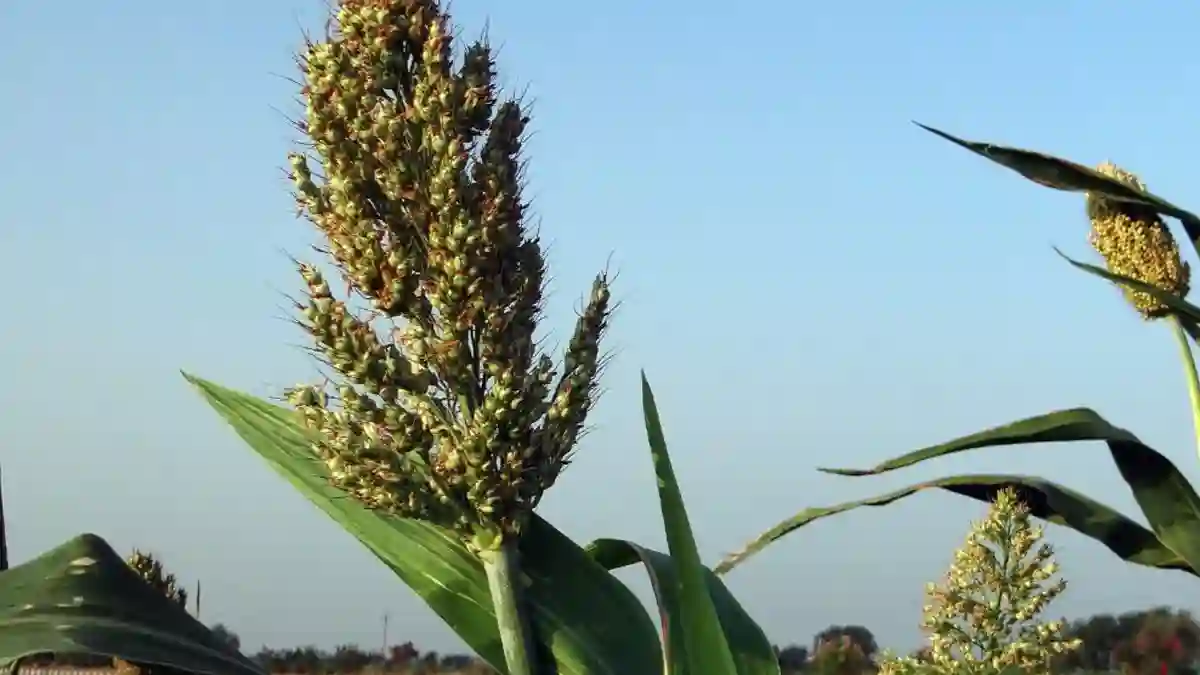
Jowar (Millet) is a kharif crop that is sown from June to July and harvested from October to November. Sometimes it is also sown as a Rabi crop mainly for fodder. Its main varieties in Haryana are Hara Sona, Haryana Chari-308, Plant chari-5, and CSH-16, with an overall production of approximately 0.10 - 0.14 lakh tonnes. Find out the Sonepat(Kharkhoda) mandi bhav.
| Category | Details |
|---|---|
| Crop type | Kharif crop |
| Ideal Climate | 25-30°C |
| Soil Type | Sandy to clayey soil |
| Challenges | Low market price, pests, competition from other crops |
| Government support scheme | MSP, National Food Security Mission (NFSM) - Coarse Cereals. |
| MSP 2025-26 | ₹4,886 per quintal |
4. Bajra
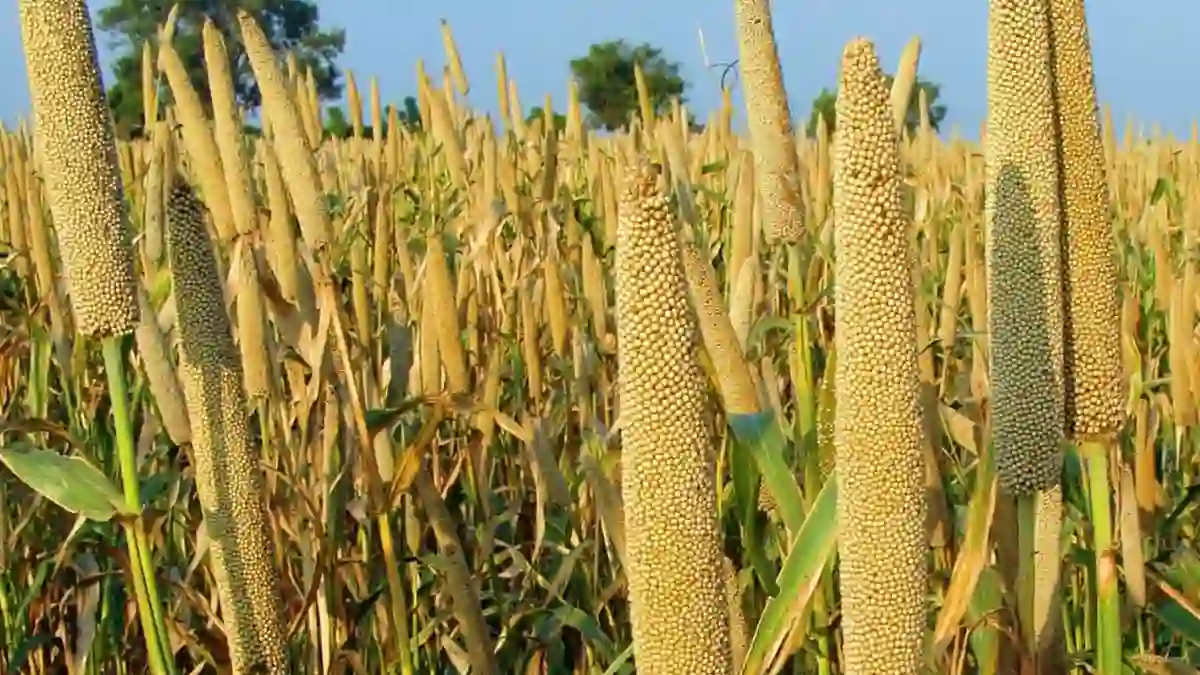
Bajra, also known as pearl millet, is a Kharif crop grown from July to August and harvested from October to November. In the landscape of Haryana, Bajra stands out as a true champion of efficiency as it can grow with less water, making it ideal for drought regions. Producing an impressive 1.2 million tons annually, Bajra plays a dual role as a source of bread for humans and fodder for cattle. The main varieties that farmers in the state prefer are PNB 233, 83, and 346, HHB 272, and 86M84.
| Category | Details |
|---|---|
| Crop type | Kharif crop |
| Ideal Climate | Warm, dry climate |
| Soil Type | sandy loamy soils |
| Challenges | Bird damage, Low market price |
| Government support scheme | MSP, National Food Security Mission (NFSM) |
| MSP 2025-26 | ₹2775 per quintal |
5. Gram
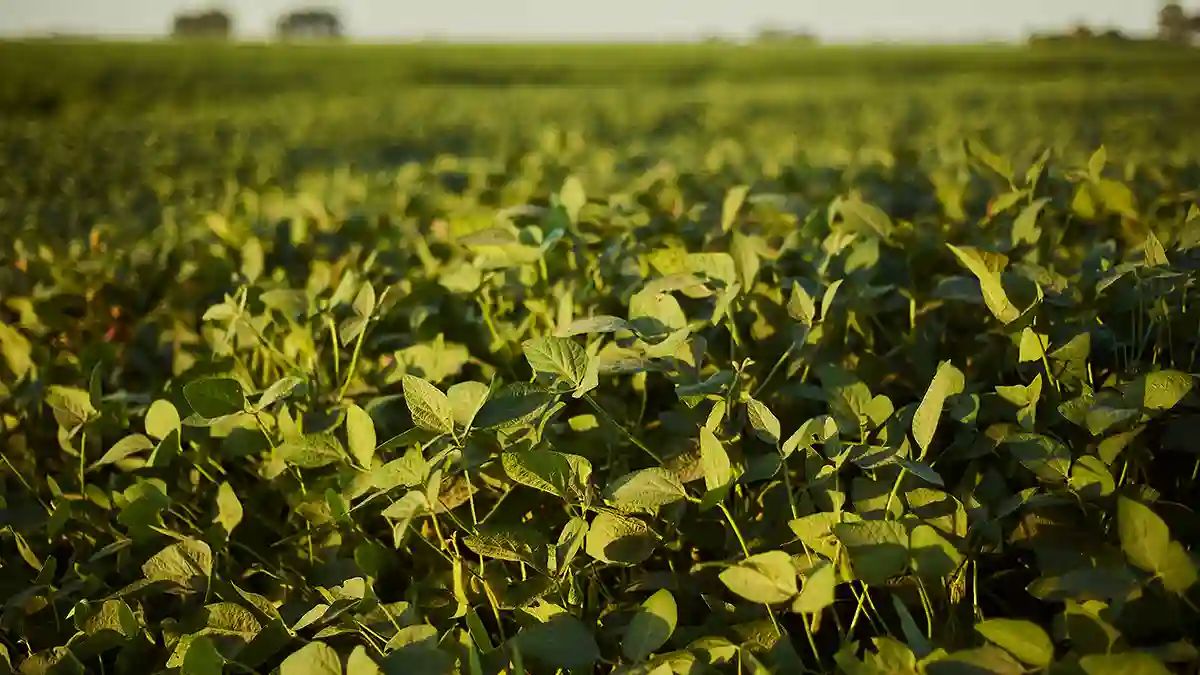
Gram is a Rabi crop and it grows from October to November and is harvested from February to March. It is a profitable crop in Haryana as it grows in 75-90 days. The main varieties of the crop grown in Haryana are Haryana Chana No. 6, KPG-59, Pusa 329, JG-218, etc. In India, gram is consumed directly by cooking and by making flour. It is an essential part of our diet, but the production of gram in Haryana has declined over the years, with a decrease in per-hectare output.
| Category | Details |
|---|---|
| Crop type | Rabi crop |
| Ideal Climate | Cool and dry climate |
| Soil Type | black soil to loamy soil |
| Challenges | Frost susceptibility, competition |
| Government support scheme | MSP, Pradhan Mantri Annadata Aay Sanrakshan Abhiyan (PM-AASHA) |
| MSP 2025-26 | ₹5,650 per quintal |
Conclusion
Haryana is the second-largest state contributing to the agricultural economy. It has 95 per cent of the cultivated land. Apart from these crops, Haryana is also known for its Poultry farming and vegetable farming. Farmers in Haryana can greatly increase their income while reducing typical agricultural risks by carefully selecting crops like the five we've highlighted. Haryana farming appears to have a bright future for those who can innovate and adjust, transforming obstacles into chances for development and success.