


District-wise Crop Production in Madhya Pradesh | Know Your State
Madhya Pradesh ranks among the states in the production of pulses and oilseeds (mainly soybean and mustard). With around 49% of its total land under cultivation and more than 70% of its population in villages is engaged in agriculture, understanding "District-wise crop production in Madhya Pradesh" reveals the very backbone of our economy and rural livelihoods. The state's impressive agricultural growth is a result of its diverse agro-climatic zones and the efforts of farmers.
Area-wise crop production in Madhya Pradesh
Madhya Pradesh is one of the largest states, not only known as the heart of the country in the geographical aspect, but also has a crucial contribution to the agricultural domain of the nation. The soil and nature of the state give us some exclusive benefits, which support the agricultural sector and help crops to grow and flourish.
Zone 1: West (Soybean)
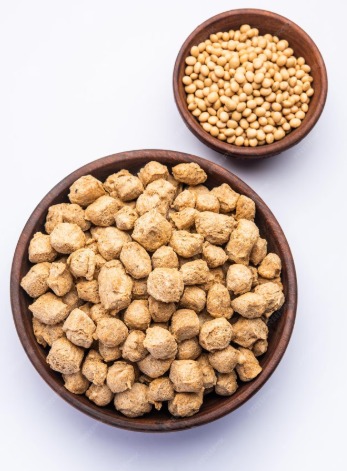
The western part of MP is also known as the Malwa area and is famous for the Nimar Plains. This part of the state has been blessed with dark, rich and luxurious soil, which helps in producing crops of high quality and managing their proper health. Indore, Ratlam, Dewas, Mandsaur, and Ujjain mandis are widely known for the immense production of soybeans and are considered the soybean superstars. The deep black soil is a quality of soil loved by soybeans and contributes to the production. Along with the soil, the environment and nature, including sunny days and good monsoon days, are perfect for the crops.
Zone 2: Central (Wheat & Dal)
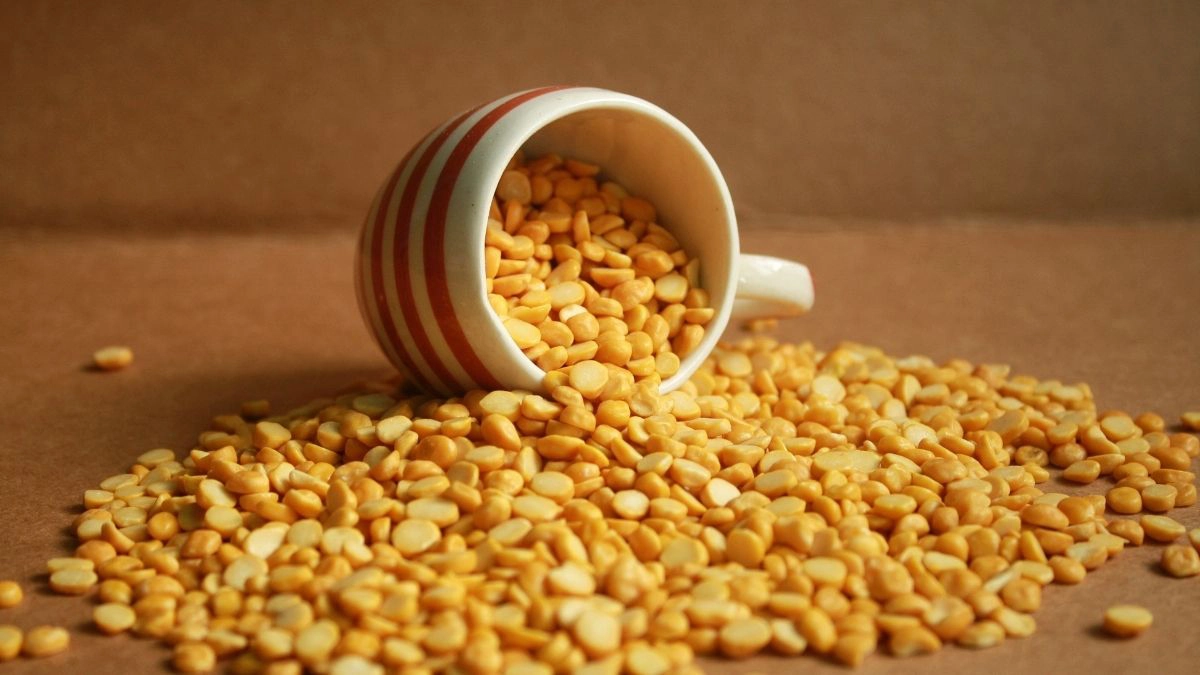
The part of the state containing districts like Hoshangabad (also known as Narmadapuram), Vidisha, Bhopal, Sagar and Damoh mandi are regions producing good quality and quantity of wheat and pulses. There is a variety of wheat and pulses grown as the area supports the production, as it has the area for soil and cooperative weather conditions. Sharbati wheat, chana, jowar and yellow mustard are widely grown in the area.
Zone 3: East (Rice)
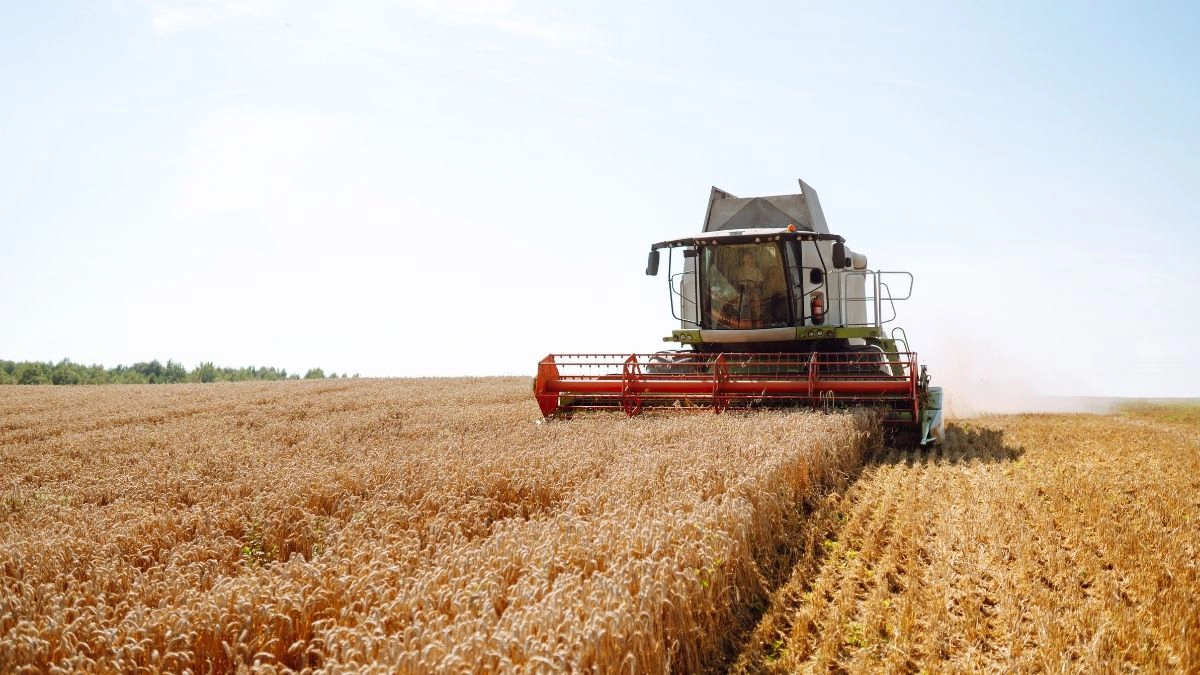
As we move towards the eastern part of the state, the land gets more rain, and the soil changes accordingly. It is a great environment for the crops which require more rain and moisture to grow, such as rice. Area of Mandla, Shahdol, Anuppur, Sidhi, Satna, Rewa, and Katni mandi support the production of paddy (rice) and wheat. The soil, along with the weather, supports the production of crops like rice and wheat.
Other crops grown in Madhya Pradesh include.
Along with the crops like soybeans, wheat, rice, pulses and cotton, the production of unique and valuable crops such as pulses, maize, sugarcane, and spices. You can check the real-time updates on the price of the Madhya Pradesh mandi to keep a check and look forward to your trading activities.
Conclusion
Madhya Pradesh certainly is the heart of agriculture in India, resembles different supporting factors for different crops from every place. The Malwa area produces some of the soybean fields, a premium quality of Sharbati wheat in the central part of MP, and every green flooded paddy rice field in eastern MP is a crucial part of MP agriculture. What a wide variety MP has in crops, combined with its diligent farmers, has made MP undoubtedly the leader in food production in India. With committed government support, technical improvements, and a commitment to sustaining growth from the ground, the state is not only feeding itself, but also trading out of the state.