


5 districts in Gujarat producing the most rice
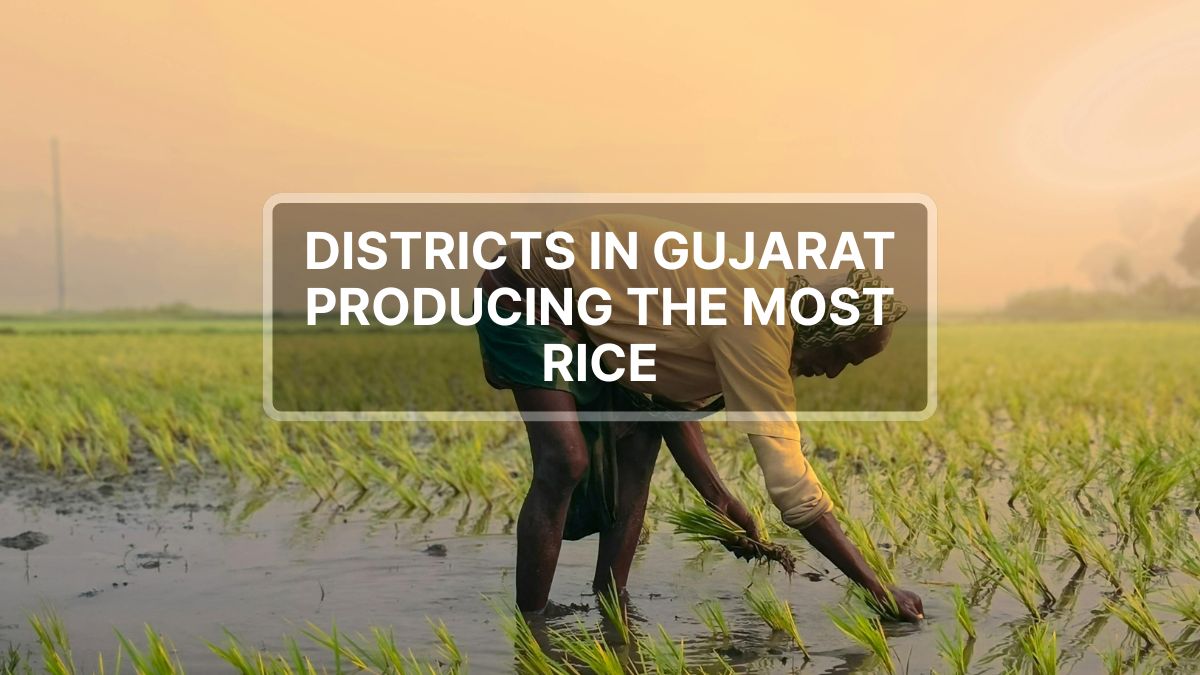
Rice is the heart of Indian agriculture. It is more than a crop. It is a crucial part of people's diets, a central part of Indian culture, and the source of sustenance for millions of Indians. Along with many other states, such as Punjab, Haryana, and Rajasthan, which are renowned for producing crops like vegetables, grains, and spices, Gujarat is the top state in rice production.
The Top 5 Rice-Producing Districts in Gujarat
1. Kheda
Kheda district in Gujarat is considered one of the top districts in Gujarat, producing the most rice. It is deeply involved in agricultural practices and has a landscape characterised by alluvial soils and consistent rainfalls during the monsoon. Kheda has an irrigation source and good surface water. It is beneficial and helps in producing paddy, the district's priority crop, as it plays a crucial role in the district’s agrarian economy.
Kheda’s farmers are learning about the practices of modern farming, including methods such as SRI, which have been shown to improve yields with less water and seed input. The availability of scientific farming practices and reliable irrigation ensures that the Kheda district continues to be a rice-producing area, which effectively contributes to Gujarat mandi.
2. Anand
Anand district is yet another significant rice-producing district in Gujarat. While Anand district is known globally as the "Milk Capital of India" because of its early cooperative dairies (like AMUL), it has been an important area for agriculture, and rice is the most significant crop reported.
The district has significant agricultural soils, and it is also one of the best infrastructural conditions, with canal water, for growing paddy. Areas in Anand have sustained extensive and different levels of rice cultivation, which include some of the largest areas grown to rice cropping in the district.
The farmers of the Anand district, like Kheda district, are also well-versed in modern agriculture and are widely involved with their farming and new crop varieties with modern technologies. This supportive environment has made Anand an important rice-producing district.
3. Ahmedabad
The Ahmedabad district is known as a district that produces a major share of rice production in the state. While the metropolitan areas of the city are urban, they are built on a very large expanse of rural areas, and the agricultural land here is fertile enough to grow rice.
With many agricultural lands, especially in the border areas with Kheda and Gandhinagar district, and significant improvements in irrigation, a huge quantity of paddy cultivation is also possible. The remaining agricultural areas in the district are seriously intensively managed and have kept up with advances in the farming business and technology. Together with its huge urban population ready to accept produce grown locally, it's easy to see how agricultural practices and rice farming are assured. The Ahmedabad mandi is an agricultural hub trading with crops produced in the nearby areas.
4. Navsari
Monsoon rains in the coastal areas of Gujarat provide significantly higher levels of rainfall than the northern and central parts of the state. This, combined with a hot and humid climate, as well as heavy black soils, creates a perfect rice environment. Additionally, rice is cultivated as one of three major Kharif crops in Navsari, along with toor and urad.
The terrain of the district is shaped by coastal plains and mid-plains with fine-textured soils that retain moisture well. Furthermore, the people of the area are keen on utilising the water supply on their land. Accordingly, it is quite common to see transplanted rice being grown across their fields. Decisions to produce food grains (e.g. rice, wheat, and bajra) mainly depend on weather, technology, and agricultural practices that support or exploit the water availability. The number of cultivated areas under paddy, as well as the high level of productivity, provide enduring evidence that Navsari is a central region of paddy production in Gujarat.
5. Surat
Surat supports the production of rice and is one of the famous districts producing rice. It is known mainly for its diamond and textile products, but also plays a vital role in agriculture, especially rice. Surat district was blessed with significant monsoon rainfall.
Rice is a considerable Kharif crop in Surat, sometimes planted as a rainy transplanted crop, and in some areas even as an irrigated transplanted crop. To see the contributions made to rice in Surat, it is important to evaluate agricultural statistics for rice in the district shows a substantial area represented as paddy. Farmers are using rain-fed and irrigated water resources to make rice productive in the Surat district. The strong urban market associated with Surat mandi provides a strong agricultural economy at the local level.
Conclusion
The journey of a grain of rice from the fields to a plate represents the varied productive systems and the commitment of the farming community of the state of Gujarat. Rice is an important and growing component of agriculture in Gujarat. By understanding the contribution of rice production in Gujarat, it reflects not only the production, but also the good environment, weather and soil conditions, farmers and the technology involved.