


7 Smart Factors to be Considered by Farmers Selling Crops
Do you remember those summer days when farmers used to sit in the squares of the city or town, or go to the mandi and sell the crops? Their life was full of uncertainties, risks and struggles.
Growing crops is a task of hard work involving the sweat and energy of farmers. But selling them for the appropriate price, that's a real factor. For our farmers, the decision to sell crops is not only about money, but about the happiness of the family as a whole. During the season when crops are harvested, the biggest question in the farmers’ minds is what is next?
7 simple factors considered by farmers selling crops
1. The Big Question: Mandi or Another Way?

Trading crops in the mandi has been a traditional practice which is now considered. But is it always the best route? Is there a better way or a platform that brings something better?
Today, the developed environment has brought various options for farmers, have more options than just mandi. Farmer Producer Organization (FPO) is a scheme where farmers can collectively form a group and directly sell their crops to buyers. Additionally, farmers are now given the opportunity and ease to deal and trade digitally with e-NAM.
2. Learn the value of your crops by the test of quality
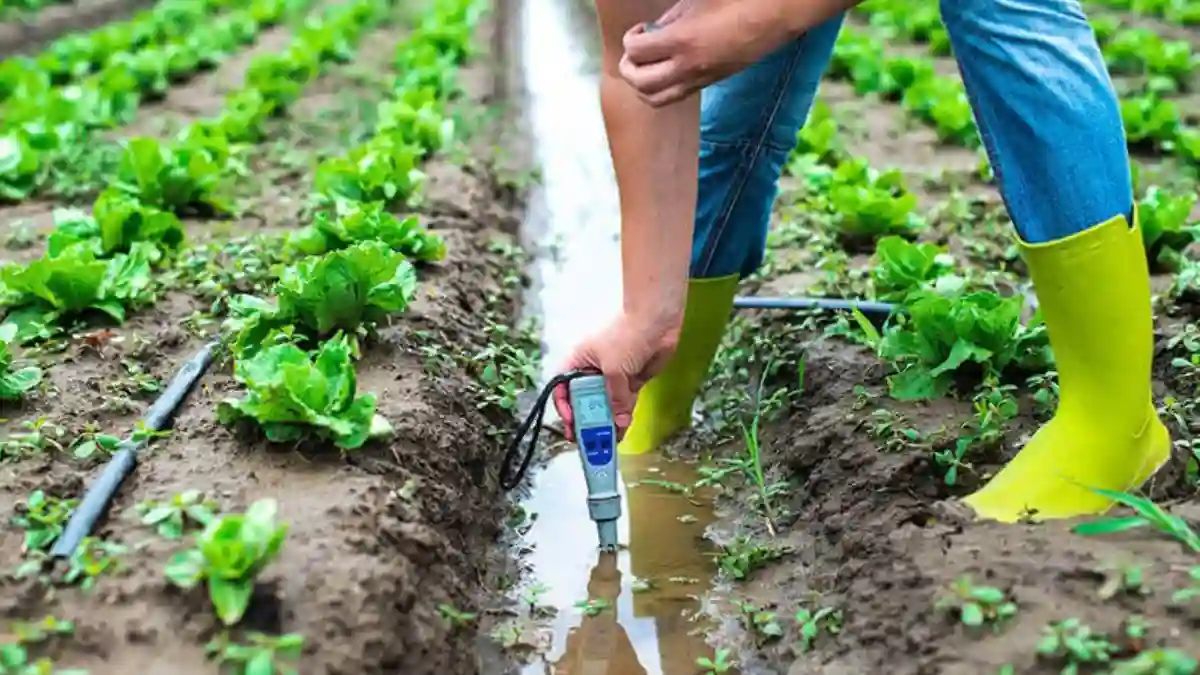
Suppose you’ve grown some mangoes. One mango is fresh, shiny, clean, and of appropriate size. The other one is ripe, looks dull or is just very small in size. Which mango do you think will be sold at a higher price? Most people will buy the fresh product, right? The same concept applies to your crops.
The crop quality is an important factor in the Udaipur mandi and every other mandi. Good quality of crops, least defects, good colour, and shape have more value in the market. You must carefully check the quality of the crops and separate them into different groups of similar quality. It helps you sell them separately and decide their price accordingly.
3. Utilising Storage Facilities
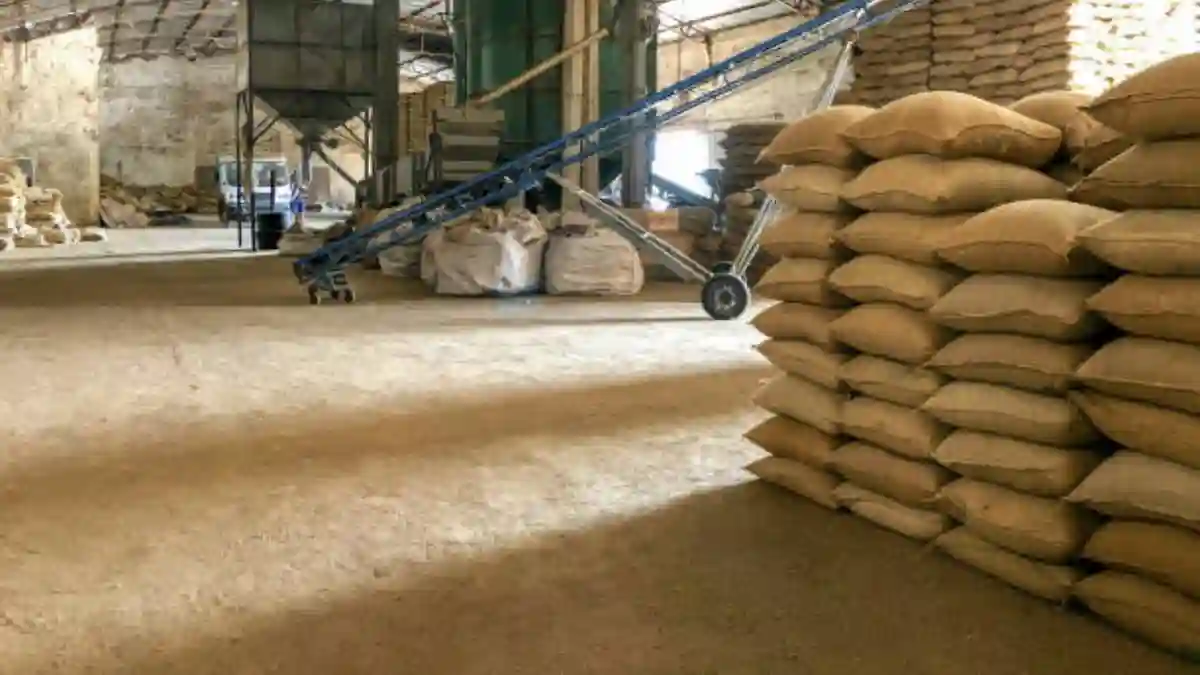
As the mandi bhav and rates are one of the crucial factor that meets the needs of farmers and adds value to their hard work. In the mandis, price is the factor that fluctuates. While the prices of any particular commodity are low in the Chandigarh mandi and every other mandi, you must store your crops safely for a few days or months, ensuring that the quality of the crops remains the same. You can bring those stored crops to the market when the price gets better.
To ensure minimal loss after the crops are harvested, ensure that the storage facilities you are utilising are appropriate. It contributes to the long life and good health of the commodities.
4. Market Arrivals and Prices
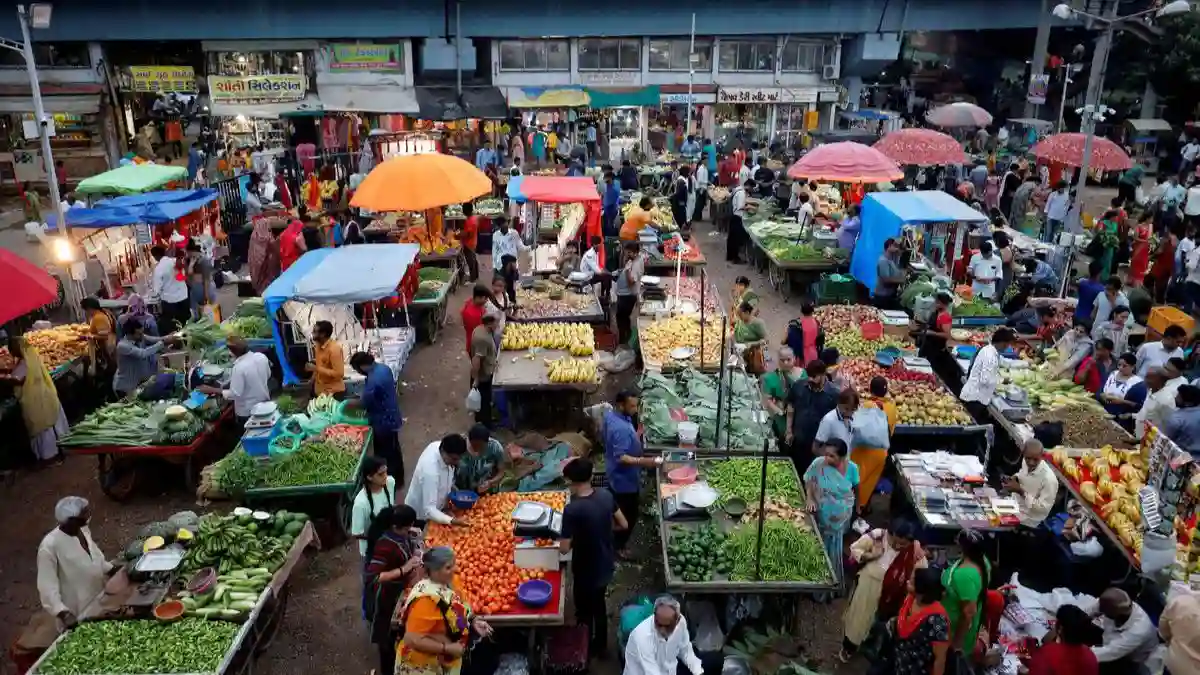
Have you ever observed the price decrease when crops are in stock in high quantity, and the price increase when demand gets higher? The timing to send stock to the market is an important factor affecting demand and supply. As a farmer, you must regularly keep a check on the demand and supply in the market so that you can bring your stock at an appropriate time for maximum benefits.
Download the Shuru app today, and get the real-time updates on Unjha mandi prices and every other registered mandi in your local language at your convenience.
5. Government Support, Including Schemes and MSP

The government has brought several programs into existence to help farmers and promote agricultural activities. It's just like a true friend lending a hand during difficult times. Minimum Support Price (MSP) is a policy ensuring farmers the minimum price for certain crops, which can’t be purchased below that. Farmers must keep an eye on the information, rules and regulations released by the government and APMC mandis.
6. e-NAM and Digital Platforms

Digital platforms have made selling crops for farmers easier than before. E-NAM (National Agriculture Market) is an online marketplace where farmers can sell their produce to any mandi across the country. This means, limited to their local mandi and have the ability to observe market prices across the country. In addition to e-NAM, there are various digital platforms and mobile applications which inform farmers about market prices, weather information, and other agricultural information. The benefits of these applications include making informed decisions at the right time.
7. Buyer Preference and Market Trends
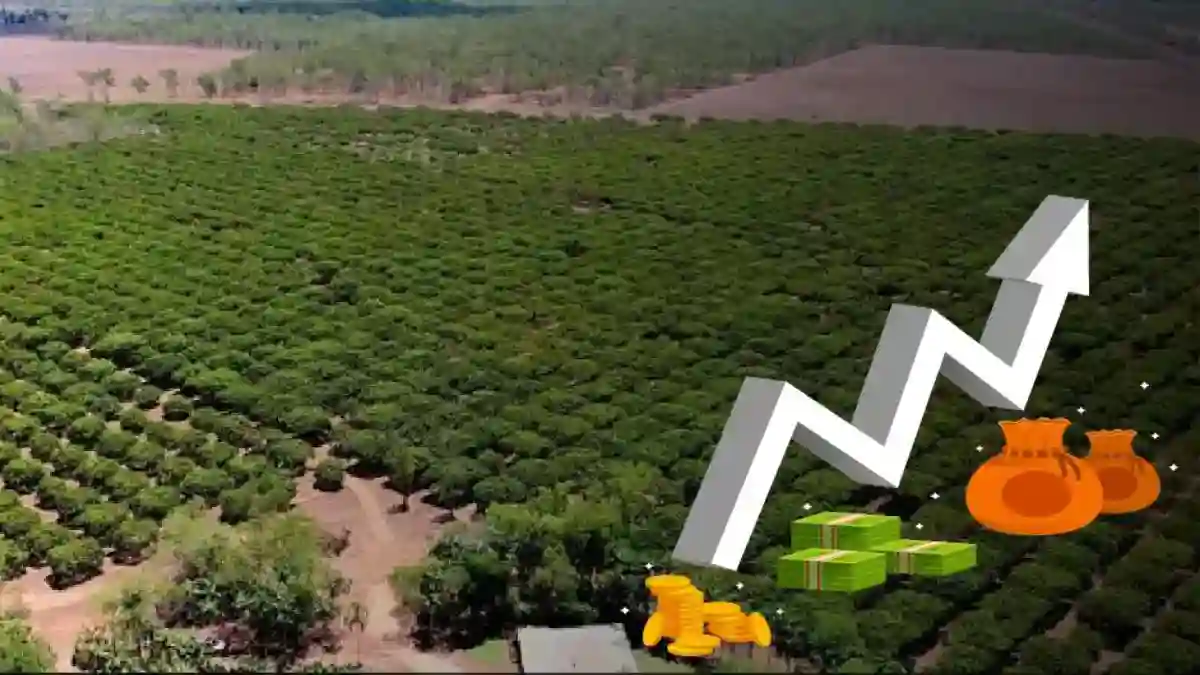
Buyer preferences are a key consideration. Before selling your commodities to the public, understanding buyer preferences is a must. Pay attention to market trends by observing the growth or decline in the demand for crops and work accordingly. Farmers must look at the preferences and demand in the target mandis, such as Dahod mandi and focus on growing relevant crops to get higher benefits.
Conclusion
Just as a good seed can grow appropriately in healthy soil, similarly, a quality crop also needs the right market and the right time. Every farmer is an entrepreneur, and with the right information and planning, you can make farming even more profitable. Remember, every grain you sell is a symbol of your hard work. Getting its fair value is your right. So, make thoughtful decisions, align your efforts and hard work effectively and get successful.