



Effects of weather on crop prices
The way we produce, consume, and even waste food has a profound and far-reaching impact on whether or not we can achieve a truly sustainable future for Earth. However, the pricing of food often depends on erratic weather conditions. Weather affects crop production, leading to inconsistent food supply, financial losses for farmers, increased crop prices, and sometimes extreme effects like farmer suicides and a rise in the hunger index. Conversely, favourable weather conditions lead to a great harvest and lower food prices.
It is easy to assume that rising food prices brought on by harsh weather would always be "good" for farmers, because it suggests that farmers will get more money from their produce. The truth, however, is much more nuanced and frequently detrimental to most farmers, particularly over the long term. Also, stay updated with the mandi rates in Shimla Mandi with the Shuru app.
How weather affects crops: the delicate dance of growth
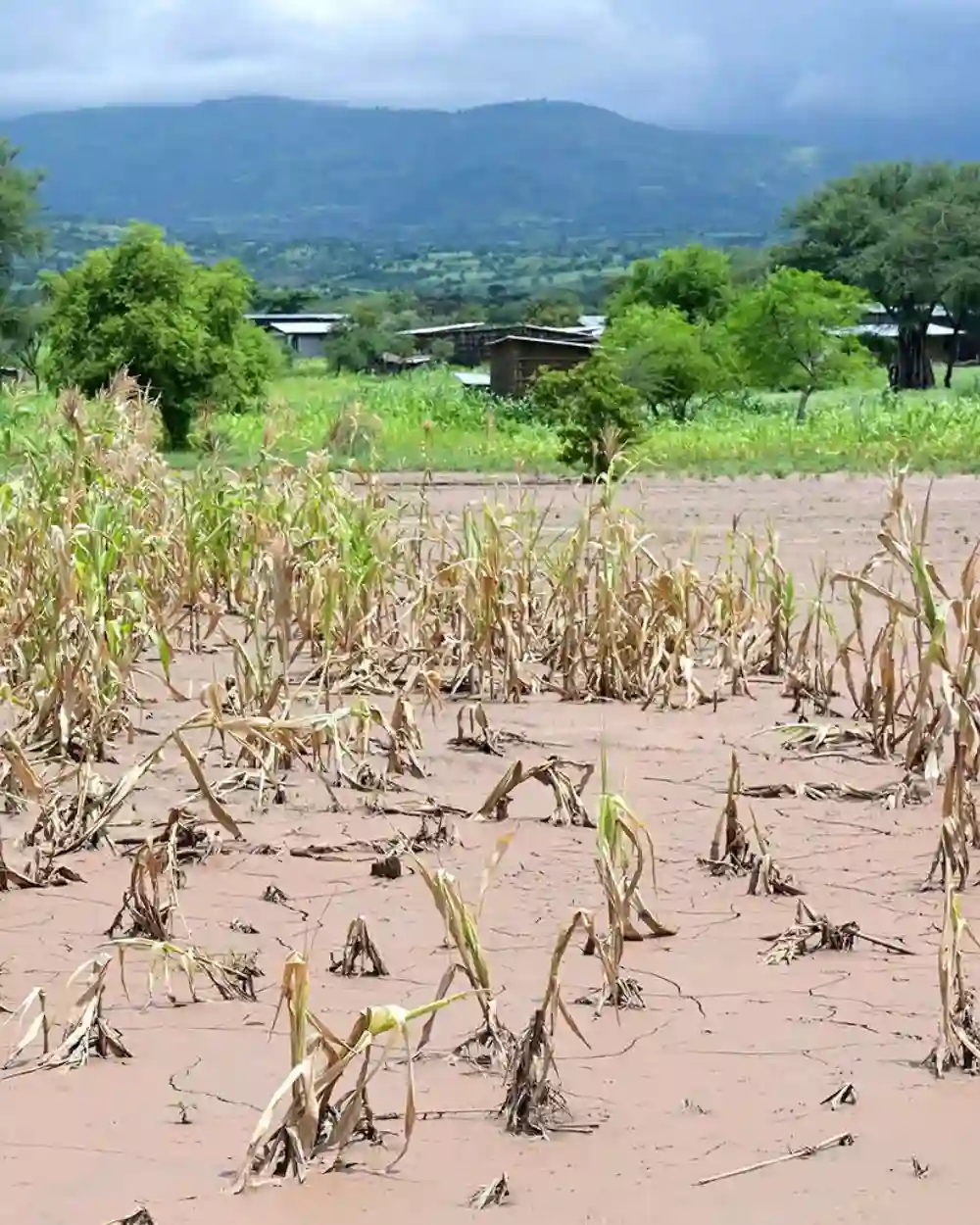
The weather has a perpetuating effect on crops, which will lead to changes in crop growing patterns, their resilience towards soil, weeds, and insects, and soil degradation
- Changing monsoon: Temperature plays an important role. While certain crops do well in colder areas, others adore the heat. Mustard and gram are examples of crops that can be destroyed by an abrupt, unplanned cold snap. Conversely, intense heat waves can cause stress to many crops, such as wheat, maize, and cotton etc, lower their production, and even change the produce's quality.
- Extreme weather: Every year, the only hope for farmers is to get the right amount of sunshine and rain. It's a delicate balance. Too much rain creates floods, washes off the top layer of soil, imbalances pollination, and leads to the draining or rotting of seeds. The opposite of it, drought, caused low yield and increased water stress. When the production decreases, it automatically increases the price of crops, and in abundance or crops, the price decreases. In this condition, staying updated with the mandi rate is important. Check out the mandi price of Rajasthan Mandi in the Shuru App.
- Loss of biodiversity: Changing and erratic weather patterns cause loss of biodiversity in crops. Historically, humans cultivated a vast array of crops for food. According to FAO (Food and Agriculture Organisation of the United Nations), “many few species dominate global food production.” There is a loss of genetic diversity in crops, it also increased pests, crop diseases, and soil health and nutrition.
How crop prices increase and decrease is influenced by weather
Increased prices due to extreme weather (droughts, floods, hailstorms, etc.) are a direct consequence of reduced supply. This implies that many farmers, especially those in the impacted areas, may initially have little or no crop to sell. Higher prices don't mean more money for them if their lands are devastated.
Farmers often do not receive the full part of the market price increases because they have better access to storage and market data, middlemen, traders, and speculators typically take home a bigger portion of the earnings.
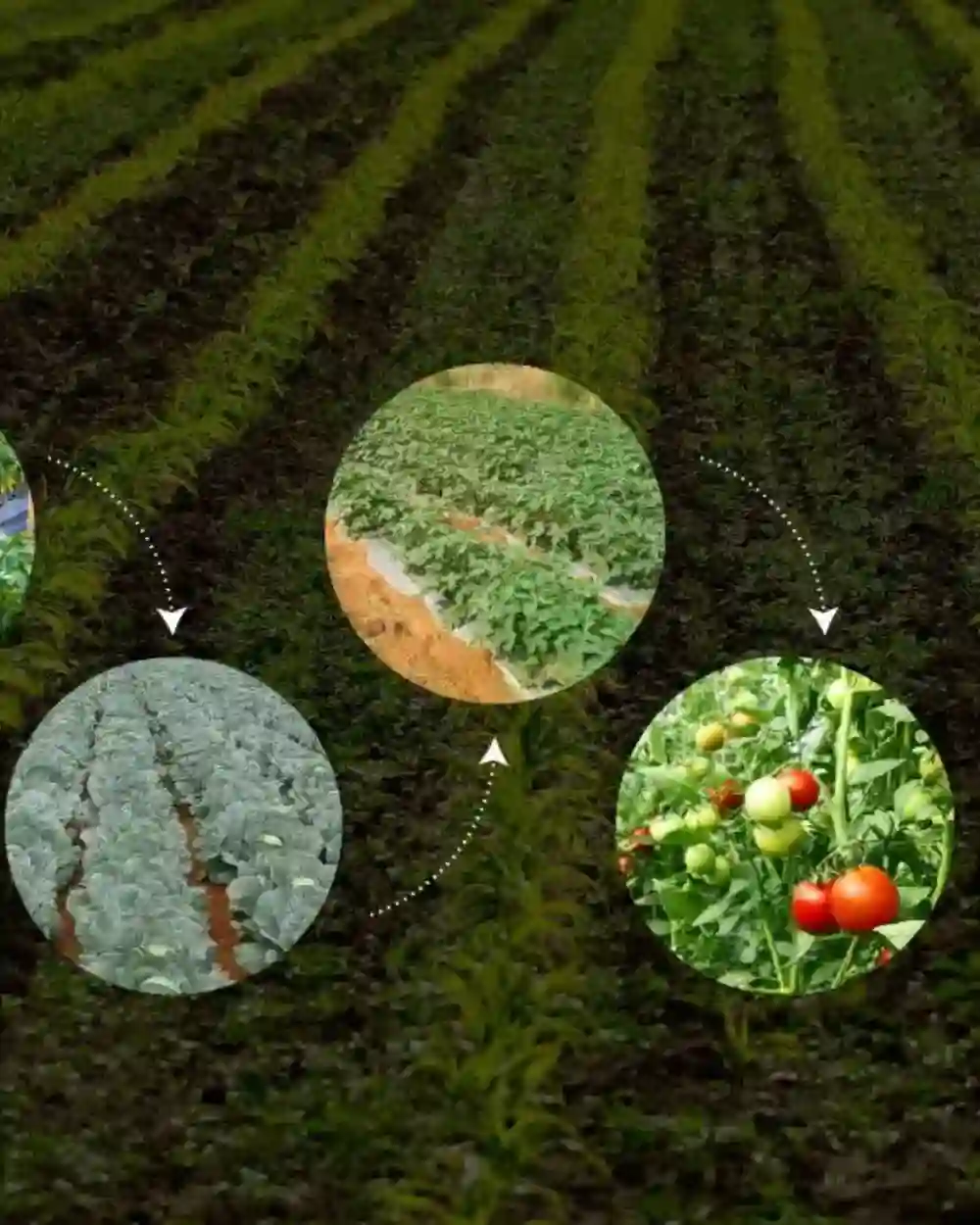
Mitigating the Rollercoaster: What can be Done?
-
Enhancing Climate-Resilient Agricultural Practices:
Investing in research and development to create and spread crop types that are resistant to diseases, pests, drought, and extreme heat. Both conventionally cultivated kinds and genetically modified organisms (GMOs) fall under this category. Also, check the price of crops in the Uttarakhand Mandi.
-
Strengthening Risk Management:
increasing the availability of comprehensive crop insurance programs, such as yield-based and weather-index-based insurance, to cover losses brought on by unfavourable weather conditions, pests, or illnesses. Government policies such as ‘Pradhan Mantri Fasal Bima Yojana,’ ‘Pradhan Mantri Kisan MaanDhan Yojana (PM-KMY),’ and ‘Rashtriya Krishi Vikas Yojana (RKVY)’ are some of the government policies working towards strengthening the agriculture of India.
-
Early warnings and implementation:
Motivating advanced climate modelling and meteorological infrastructure to give farmers long-range, extremely precise, and locally specific weather forecasts, along with alerts for extreme occurrences. Supplying farmers with up-to-date market prices, demand patterns, and logistical data so they may decide how best to sow, harvest, and sell their produce.
-
Sustainable practices:
Sustainable practices such as crop rotation, maintaining soil cover, and growing trees along with the crops minimise the impact of weather on crops. These practices also save the invested money on crops, and with the extra yield, it covers the loss.
Conclusion
Climate change, global warming and weather are affecting the crop prices and crop production not only in India but also around the world. Opting for sustainable practices, educating farmers, government schemes, and strengthening the technology and economy will help in reducing the effects of weather.