



5 Monsoon Crops in Gujarat: The lifeline of the state’s economy
Gujarat, located in western India, is a semi-arid state with distinct summer, monsoon and winter seasons. The monsoon season is crucial for agriculture in the state, as the major monsoon crops in Gujarat are cultivated from June to September, a period when 70 per cent of the annual rainfall is received. Gujarat has fertile plains and a variety of soils in different regions, such as black soil, which is best suited for cotton, and sandy loam soil, which is best suited for groundnuts, among others.
The crops cultivated in the monsoon season are called Kharif crops and are mainly sown from June to September. The utmost economy of Gujarat depends upon the Kharif crops, which are cotton, groundnut, rice, maize, sesame and soybean. Check out the Gujrat Mandi Rates in the Shuru app.
5 dominant monsoon crops in Gujarat
1. Cotton: The White Gold of Gujarat
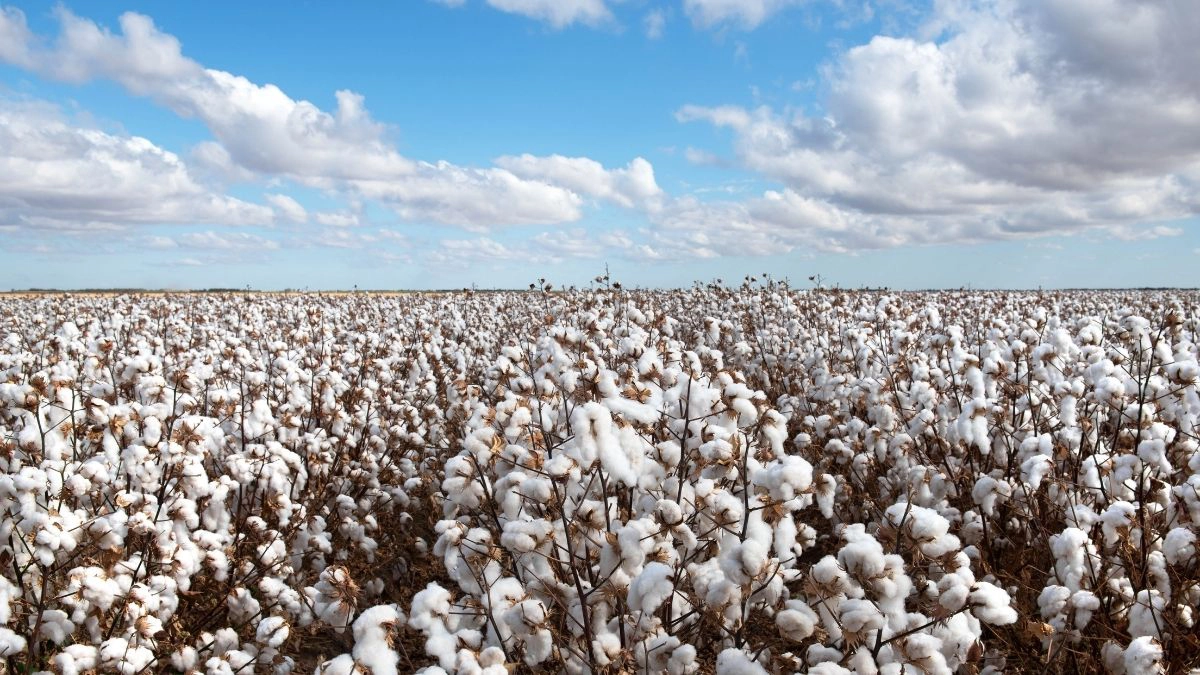
Cotton is a main cash crop of Gujarat, and it is the second-largest producer of cotton in India, with the production of 92 lakh bales in the year 20.23-2024. It is grown in black soil mainly in the regions of Saurashtra and South Gujarat. The two main varieties of cotton produced here are Cotton Hybrid-8 BG-2 and Cotton Hybrid-6 BG-2.
-
Sowing Period: June to July
-
Harvest: October to January
-
Uses: Textile industry, seed oil, export
-
Key Districts: Saurashtra (70%), Amreli, Bhavnagar, Rajkot, and Surendranagar.
2. Groundnut: The King of Oilseeds
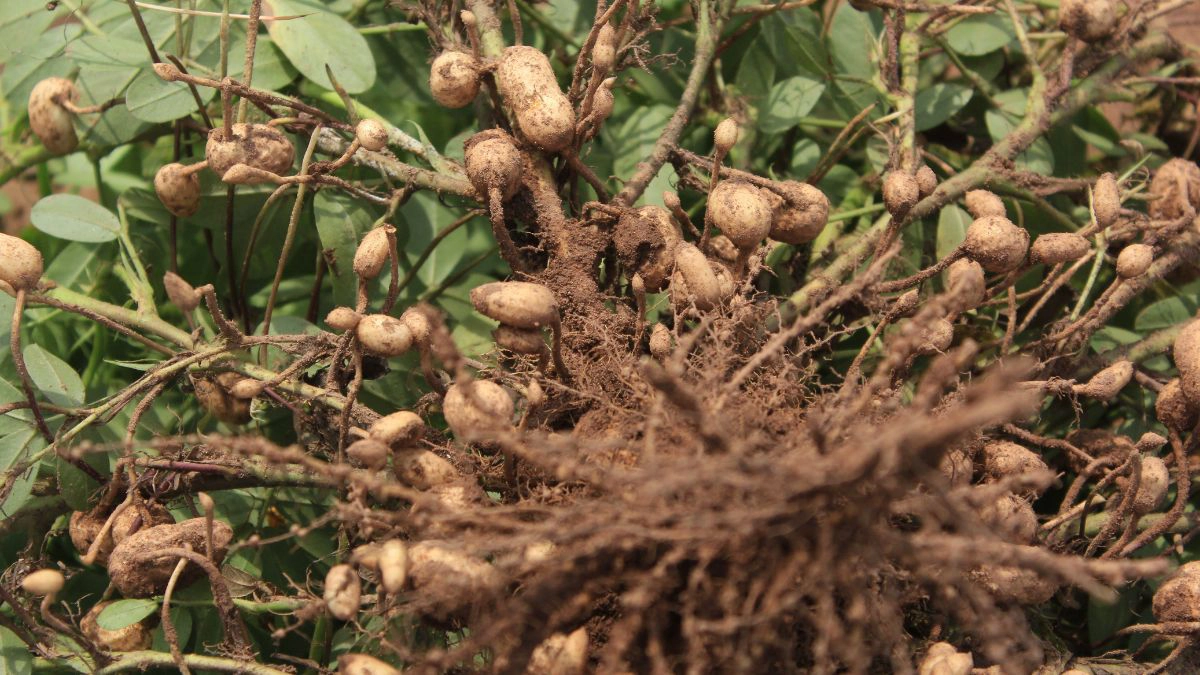
Groundnut is another main monsoon crop in Gujarat, especially prevalent in the Saurashtra region. They are sown in June to July and harvested in September to October. Its production is essential for the edible oil sector. Its production is mainly dependent on rainfall, as it needs appropriate moisture to grow. Less rainfall might reduce the production, thus farmers use drought-tolerant varieties.
- Sowing Period: June to July
- Harvest: September to October
- Uses: Edible oil, confectionery, and cattle feed
- Key Districts: Junagadh, Rajkot, Jamnagar, Bhavnagar, and Amreli
3. Paddy (rice): The Staple Grain
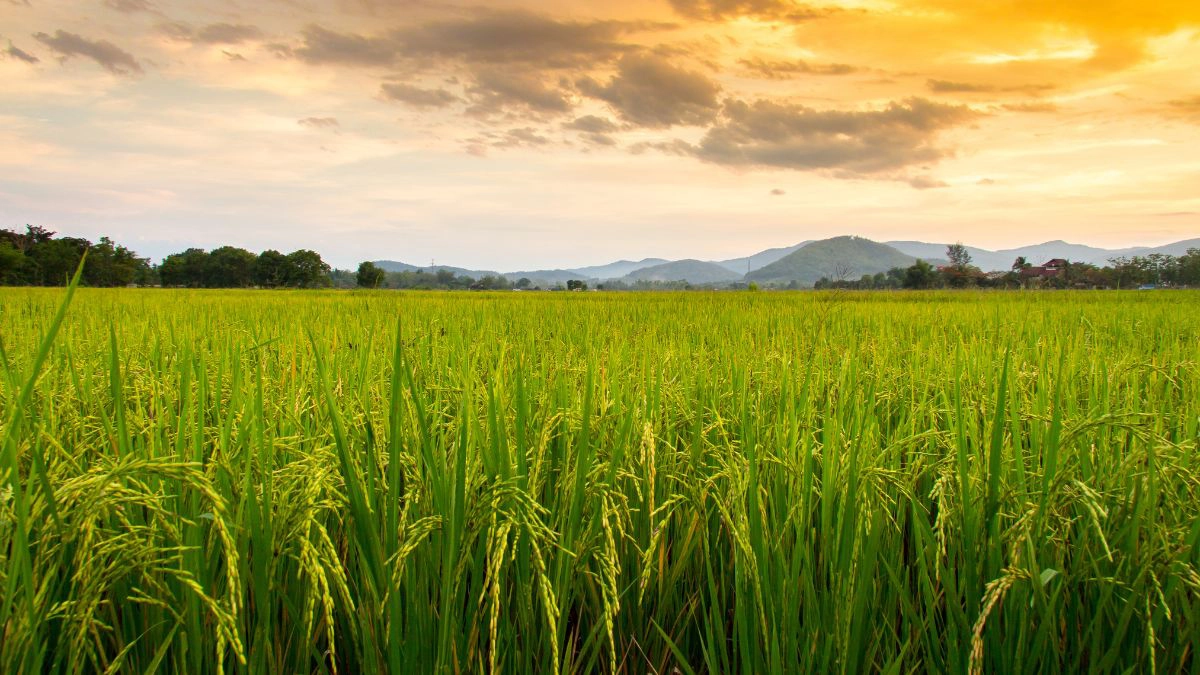
Paddy or rice is the second staple crop in North-West India and a crucial monsoon crop in Gujarat. The main varieties of rice grown here are Valsad, Navsari, mainly sown in south Gujarat. Paddy is a Kharif crop as it needs a lot of water to grow. With initiatives like the Sardar Sarovar irrigation, more farmers in Gujarat have started adopting paddy farming.
- Sowing Period: June to July
- Harvest: October to November
- Uses: Staple food, export
- Key Districts: Valsad, Kheda, Ahmedabad, Vadodara and Navsari.
4. Maize: A Versatile Cereal
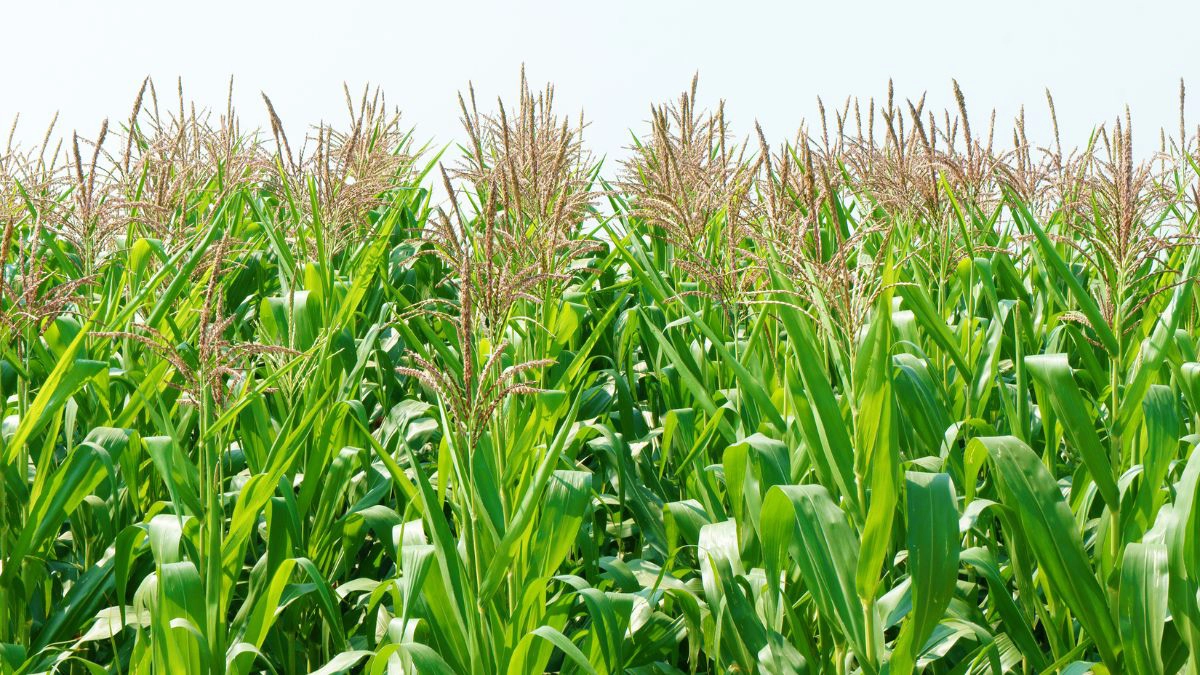
In Gujarat, the cultivation of Maize has been growing gradually as a major monsoon crop. It is a versatile crop, and farmers are choosing it as a desirable alternative due to its adaptability as a food and fodder crop and its comparatively shorter growing duration. Compared to paddy, maize can withstand a greater variety of climates, which makes it a dependable option in regions with moderate rainfall. During the Kharif season, the hybrid variety of both white and yellow maize is grown.
- Sowing Period: Mid-June and Mid-July
- Harvest: October to December
- Uses: export, food and fodder
- Key Districts: Panchmahal, Dahod, and Chhotaudepur. Check out today's price of maize in Dahod Mandi.
5. Soybean: Ultimate Protein Source
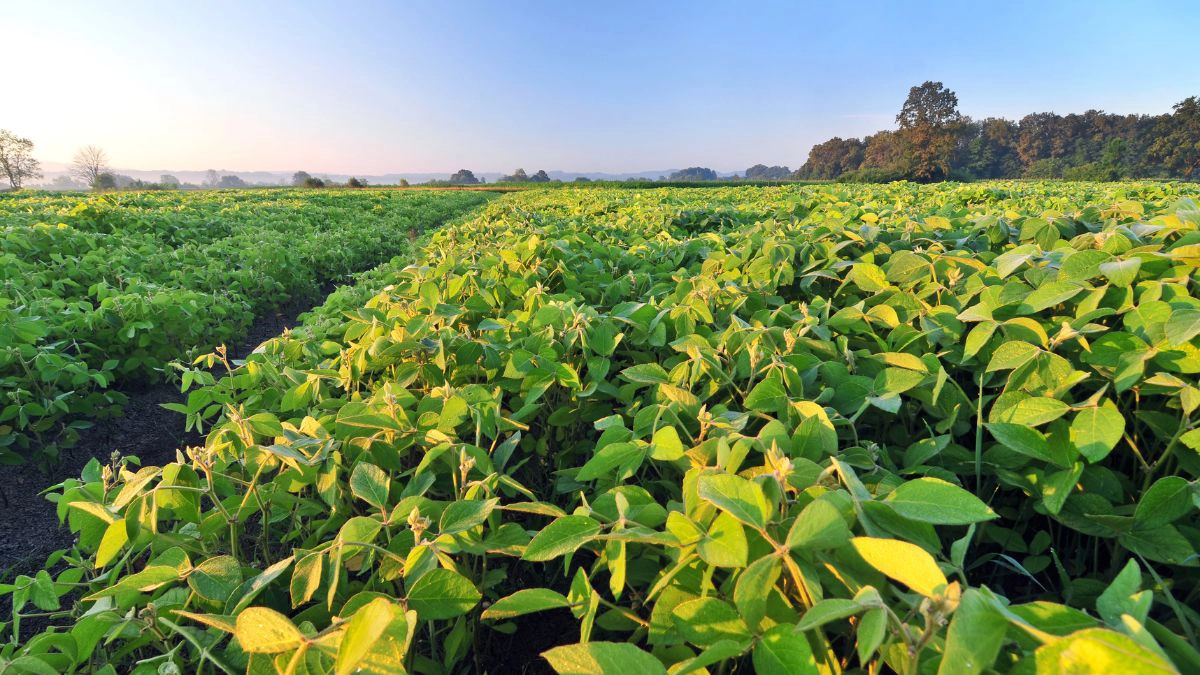
The farming of soybeans is increasing in Gujarat as a primary oilseed crop. Soybeans are a source of protein in grains but are usually used in making edible oil, animal fodder and soya chunks in India. Currently, Gujarat covers 0.3 million hectares of land for growing soybeans. June is the best time to grow soybeans. The main varieties that are grown in Gujarat are NRC 165, JS 22-12, AMS 1001, etc. Also, check the price of soybeans in Surat Mandi.
- Sowing Period: June to July
- Harvest: October to November
- Uses: Edible oil, animal feed, export
- Key Districts: Saurashtra, Junagarh, Botad, Rajkot, and Amreli
Market and Pricing Trends:
Gujarat’s APMC mandis are helping increase the trade of Kharif crops. Notable markets include Jamnagar Mandi for sesame, Unjha Mandi for oilseeds and pulses and Rajkot Mandi for cotton and groundnut. Check out the current mandi rate in Unjha Mandi in the Shuru app.
Prices typically change during the monsoon harvest according to the volume of produce and domestic demand. When fresh arrivals decline during lean times, the price of crops like cotton and groundnuts frequently reaches its peak.
Digital platforms like the Shuru App have become indispensable for farmers to check daily mandi rates, compare prices, and make informed selling decisions.
Government Initiatives promoting Monsoon Crops in Gujarat:
-
The state government has implemented several schemes to support monsoon agriculture.
-
Pradhan Mantri Fasal Bima Yojana (PMFBY): The scheme provides crop insurance.
-
Soil Health Card Scheme: This scheme is used to increase soil health and provide better fertilisers.
-
Irrigation Schemes like Sauni Yojana: These initiatives enhance water use efficiency in irrigation. They use better irrigation methods such as micro-irrigation techniques, drip irrigation, sprinklers, and watering to the roots to overcome the issue os scarcity of water.
Conclusion
Monsoon crops in Gujarat form the backbone of the state’s rural economy, supporting millions of farming families. From the cotton belts of central Gujarat to the oil-rice groeundnut fields of Saurashtra, the Kharif season is a time of hope and hard work.