


7 tips to protect your crops and soil for long-term benefits
In every aspect, effective management is necessary to minimise losses and ensure efficacy for success. In terms of farming, a farmer needs to manage their crops and strategise so that there is minimal crop loss and proper crop protection, following sustainable practices.
What is crop protection?
Crop protection is a combination of strategies, practices, and tips to protect your crops from pests and diseases. It also involves protection from other harmful factors, such as weeds, insects, and other disease-causing organisms or factors. Keeping an eye on these factors and overcoming them contributes to the efficiency of farming, overall production, and the long life of the soil without harming the environment.
7 Tips to Protect Your Crops from Pests and Diseases
Nowadays, we can observe that there are various types of issues in the commodities, as we commonly discuss some factors like fruits that aren’t organically produced, sometimes, there are insects that can be found in vegetables. There can be various reasons for the destroyed or low-quality crops in any mandi. To address the challenges, farmers must observe and keep a check on various factors to ensure the quality of crops grown as well as the health of their long-term assets, such as the soil. Here are some of the tips to protect your crops:
1. Look for pathogen-free seeds
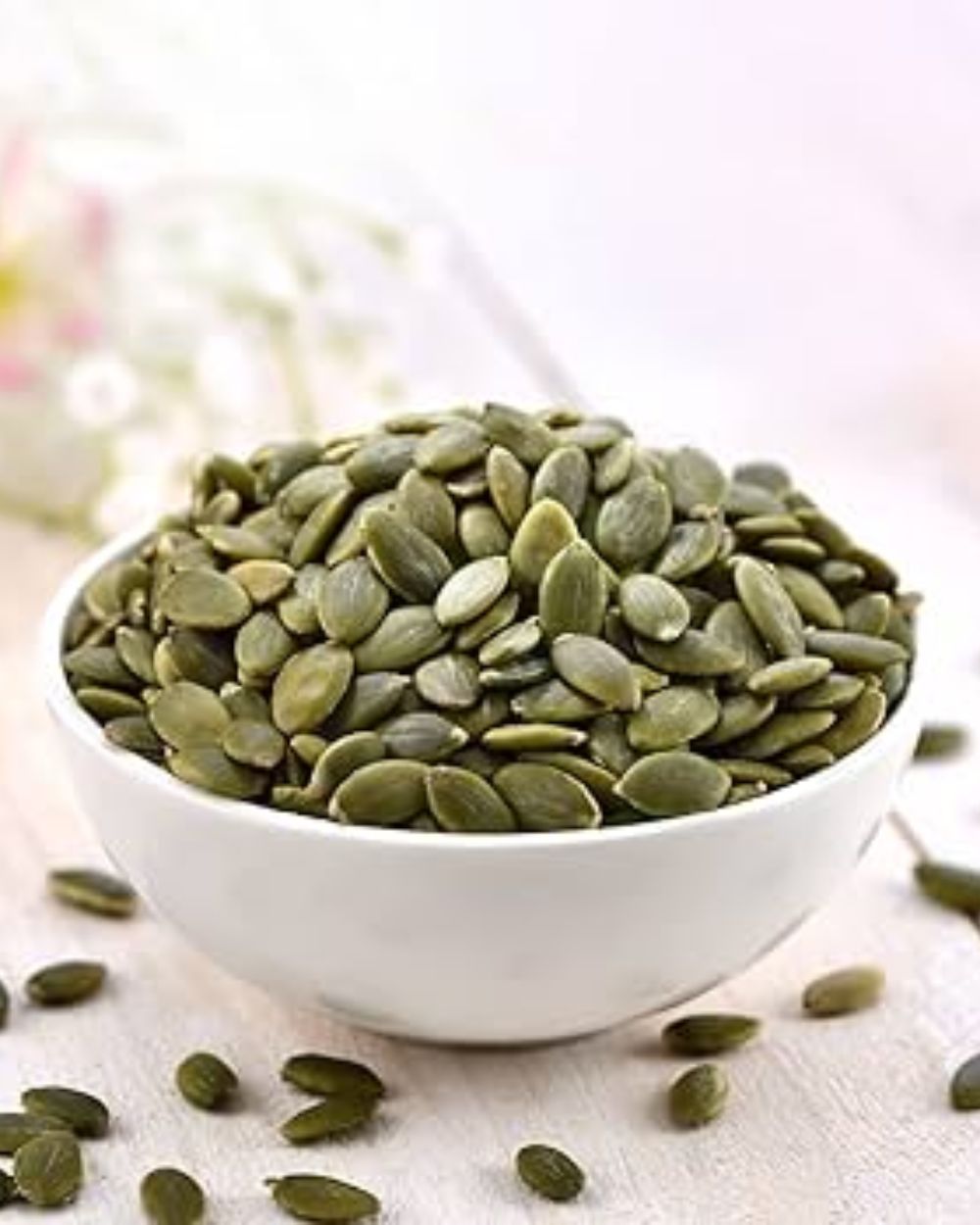
Along with the soil and weather, the quality of seeds also majorly impacts crops and overall protection. Unhealthy seeds can potentially cause damage to crops. Farmers must consider the quality of seeds, and sourcing quality seeds is one of the valuable tips to protect their crops. Overall, it contributes to avoiding risks and healthy production.
Farmers trading in the Andhra Pradesh mandi consider this strategy and follow it for the quality crops.
2. Avoid the use of chemicals
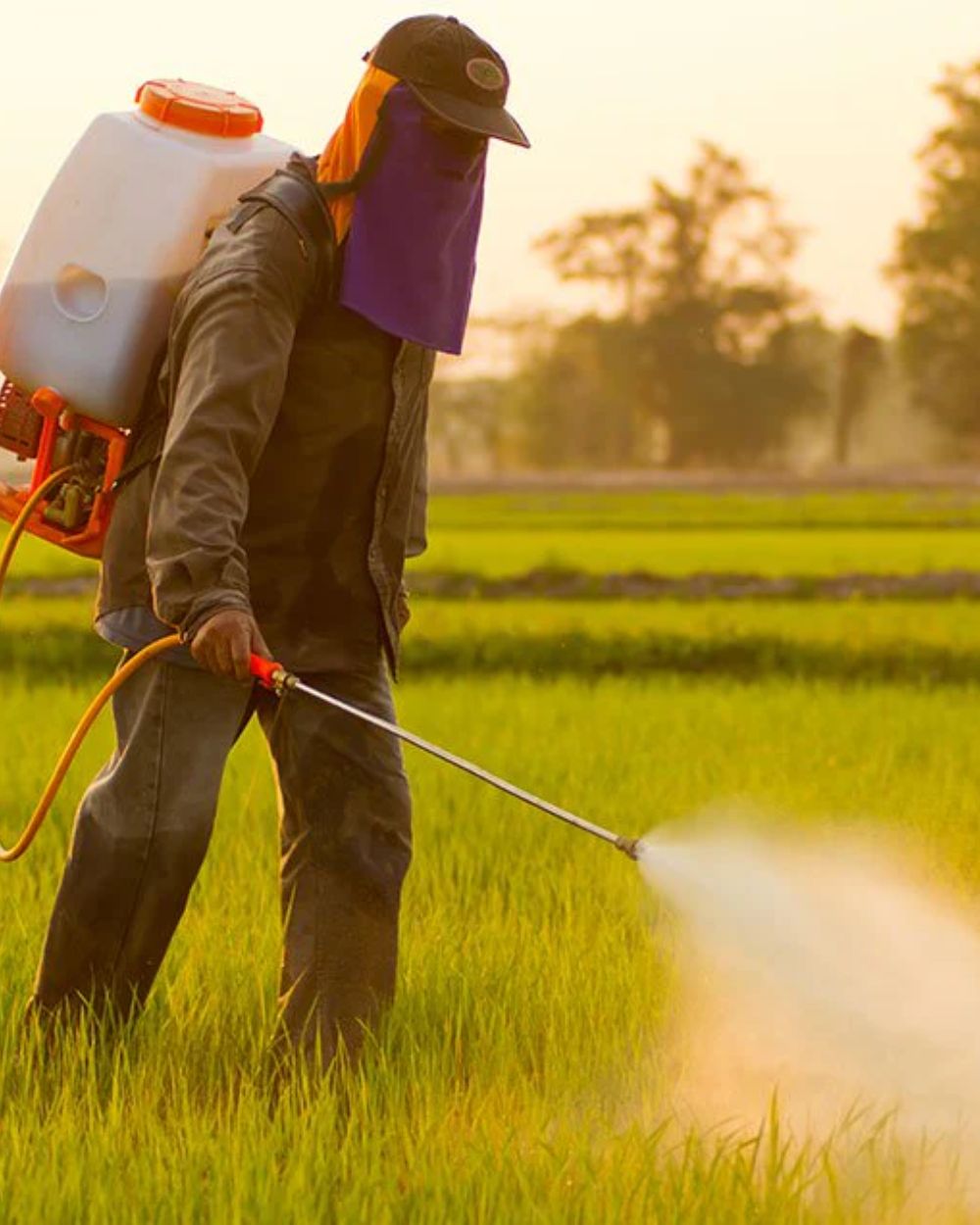
Using chemicals instantly results in protection against diseases, seeds, and crop damage. As we know, factors responding instantly have a negative impact in the long term. In the same way, using chemicals can instantly benefit us in various aspects, but can potentially destroy the soil's health. It is always suggested to look for natural tips to protect your crops instead of using chemicals. Farmers must look for natural steps to follow, such as using natural ingredients to maintain the overall health of soil as well as crops, such as rosemary oil, wood ashes, leaves of tomato and neem, and many more.
3. Use organic fertilisers for high-quality crops
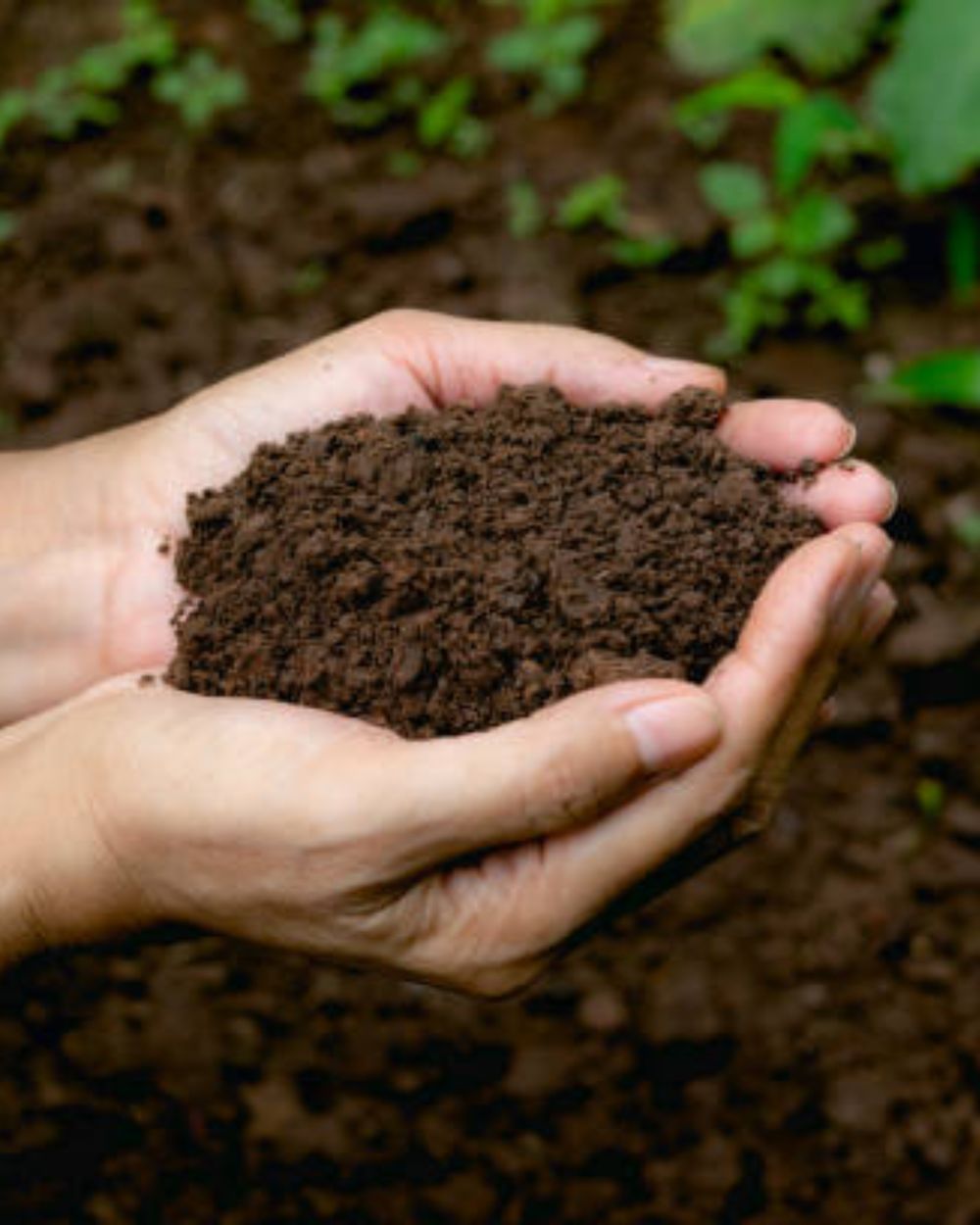
In ancient times, when there was a negligible presence of chemicals and processed materials, farmers used natural fertilisers and observed remarkable outcomes. Factors such as soil and nature always demand natural and organic materials, which also contribute significantly to the efficiency of production and crops. Nowadays, fertilisers are available in various forms, organic a well as chemical fertilisers, and farmers today look for shortcuts, assurance, and instant results. Farming practices around Haryana mandi involve the use of natural biological initiatives to control pests, like using vegetable peels as natural fertilisers, which amazingly affect and contribute to the soil health as well.
4. Ensure that your soil is healthy
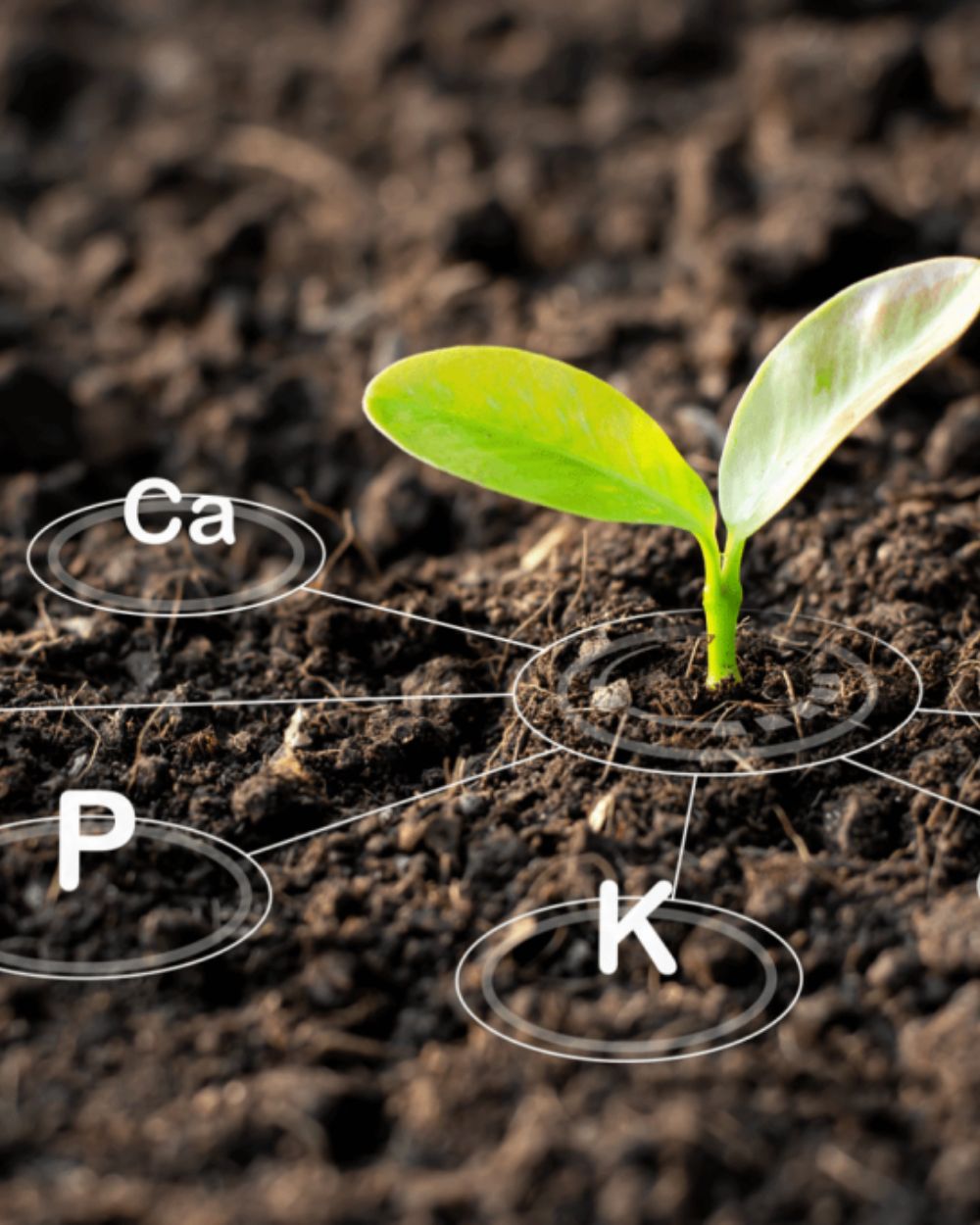
Think of the soil as the heart of your farm. As the heart contributes to the blood flow in the body, the soil primarily reflects on the crops. As a tip to protect your crops, you, as a farmer, must keep a regular check on the quality and overall health of the soil, take proper precautions so that it isn’t destroyed, and take essential efforts and steps to reverse the challenges or issues, if any. Keep a check on soil, moisture, porosity, and more for healthy crop production and efficiency.
5. Practice crop rotation for disease-free crops
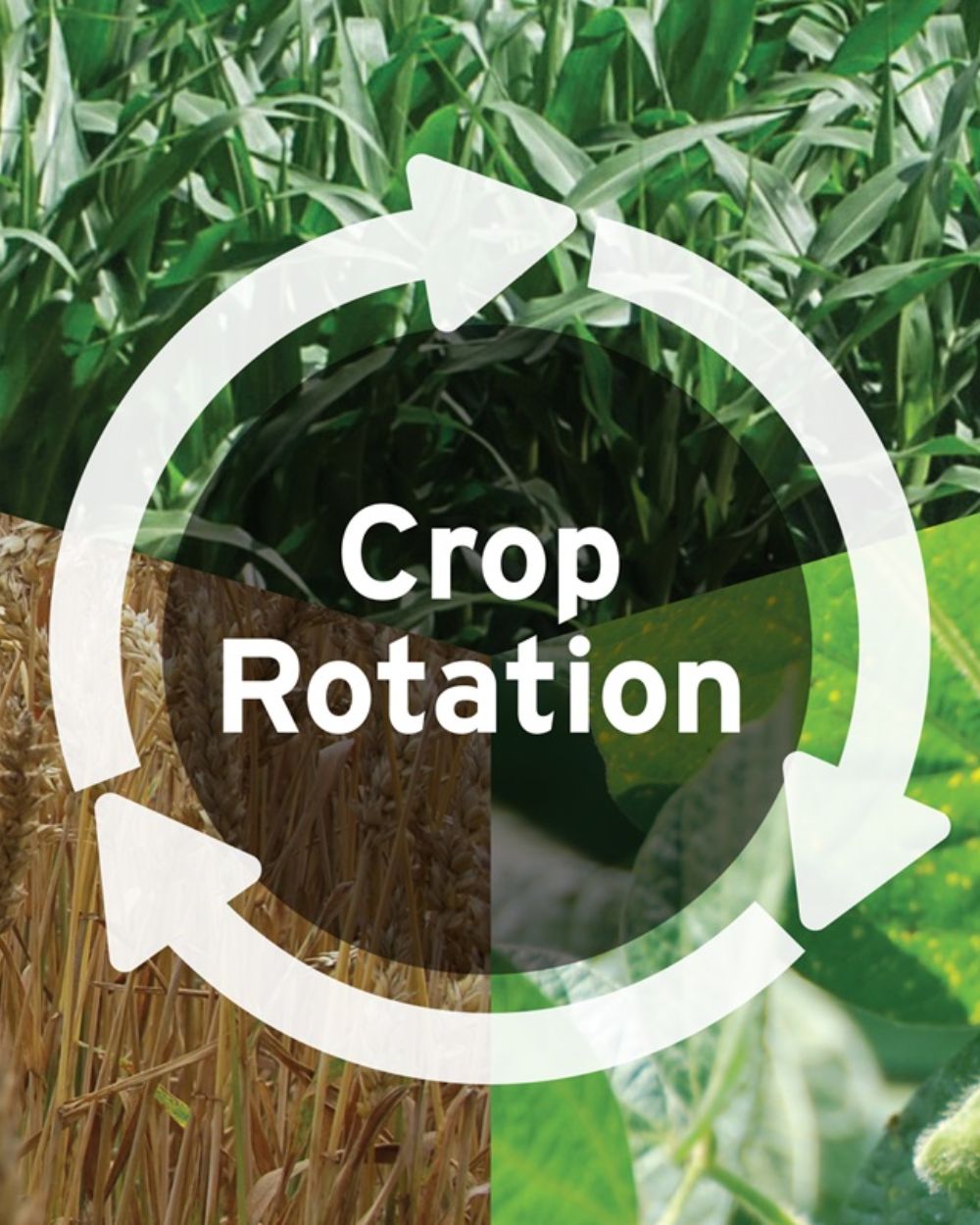
Crop rotation is the key practice, if followed properly, that keeps the production of crops healthy and free from diseases and insects. As a farmer, consider this essential step a tip to protect your crops. Additionally, you must follow this step wisely. If not performed well, it can challenge the soil as well. Some cropping practices help control weeds and provide enough space for insects, helping throughout the process. It helps farmers to get high-quality yields, which helps them sell at higher profits. You can keep checking the price of crops in the Uttar Pradesh mandi or any other mandi through the Shuru app.
6. Limit the use of pesticides
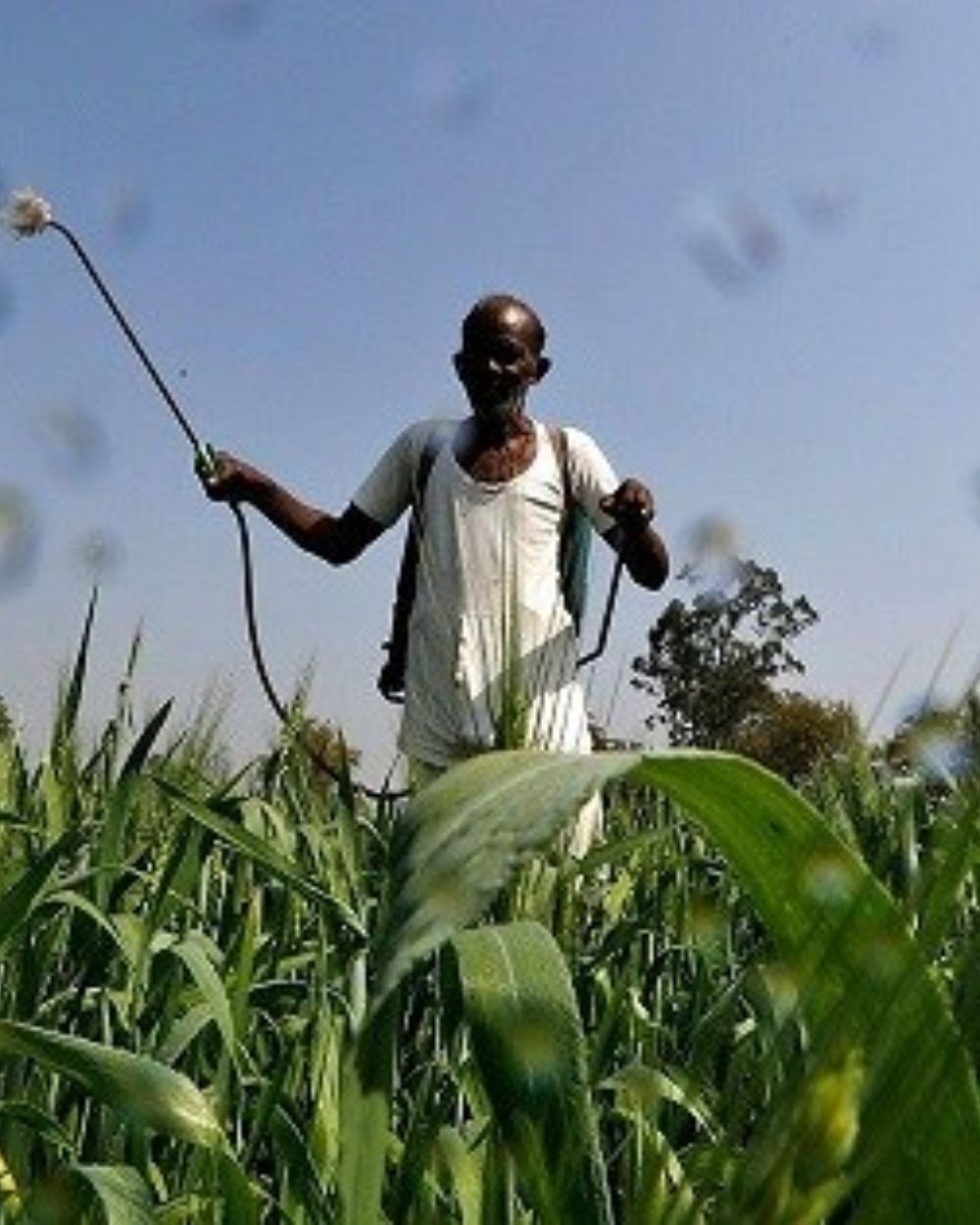
It is suggested to research every bit of and little information or factor you use in your crop production process. A tip to protect your crops is to limit the usage of pesticides during crop production, as it may offer benefits during production, but it isn’t good for health.
7. Apply biological control initiatives to manage appropriate crop production
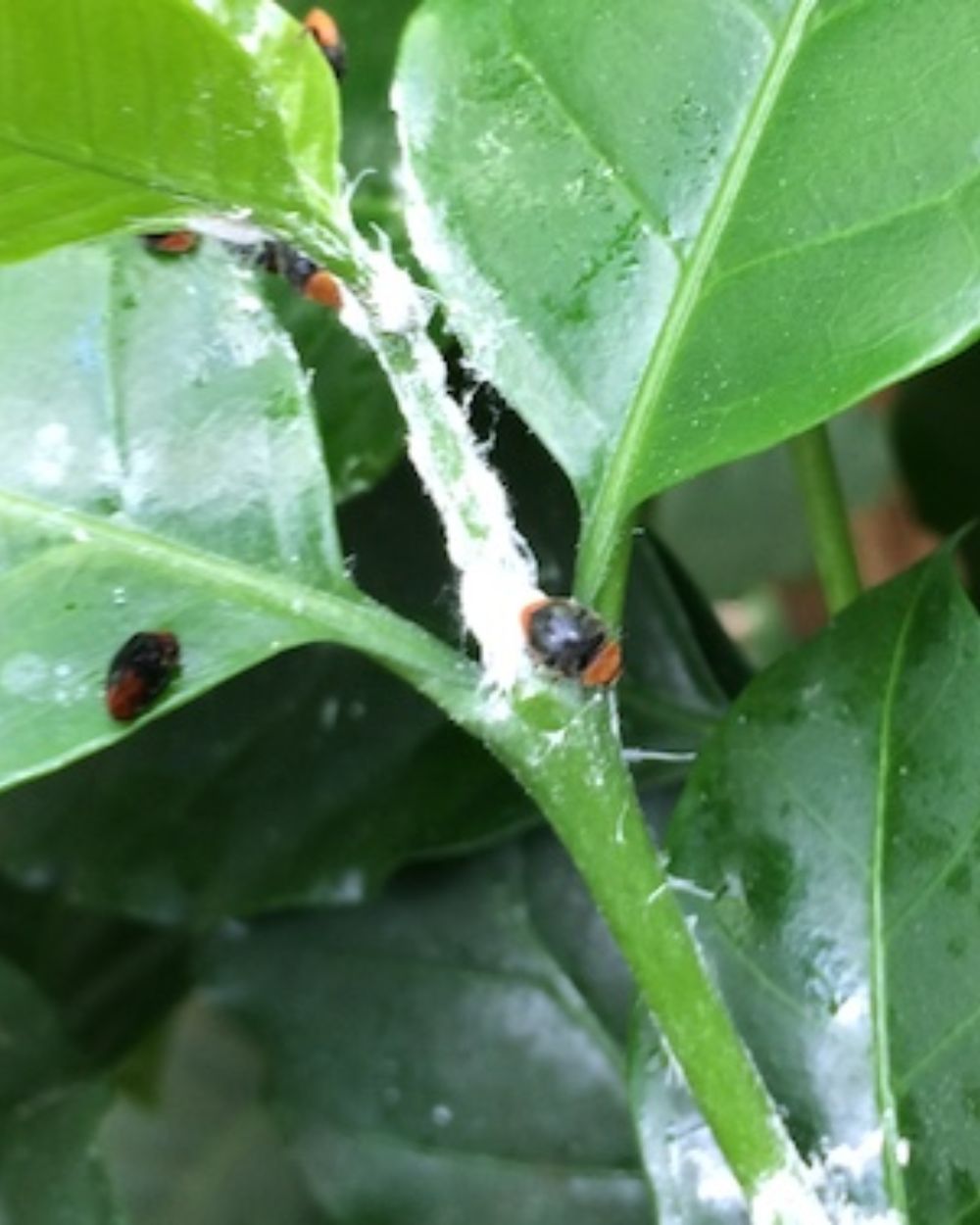
Biological control uses beneficial organisms to decrease the density of the pest population. The most commonly used agents of biological control are some insects or pathogens (microorganisms that cause diseases) to a pest species. Biological control is used to achieve ecological regulation of the pest populations occurring in current agricultural systems. Farmers trading in Punjab mandi often use organic initiatives to control pests biologically, such as garlic spray and neem oil spray.
Many biological control methods rely on the natural enemies of pests, such as some selected insects, to regulate pest populations and prevent outbreaks. By conserving and promoting beneficial insects, producers can reduce their reliance on chemical pesticides and restore ecological balance to the soil.
These are the most common yet effective tips to protect crops from pests and diseases. Additionally, farmers must look into natural initiatives in crop production as suggested. Many more aspects can be followed, which potentially contribute to natural farming without harming the environment.
Conclusion
Diseases can cause great damage to the crop yield. Crop diseases can be due to a variety of factors, like changing weather, use of possibly diseased seeds, irrigation methods, uncontrollable weeds, and unintentional applications of chemicals. These different types of interactions lead to damage to the health of the soil, which in turn will lead to diseases destroying crops.
Farmers can use cultural practices, biological controls, and other tips to protect crops, which minimises the disease pressure, while practising environment-friendly initiatives and increasing crop resilience. Working together with conscious decisions and practices, we can have a bright future full of healthy crops and sustainable agriculture.