



From fruit to root: Top 10 uses of coconut tree
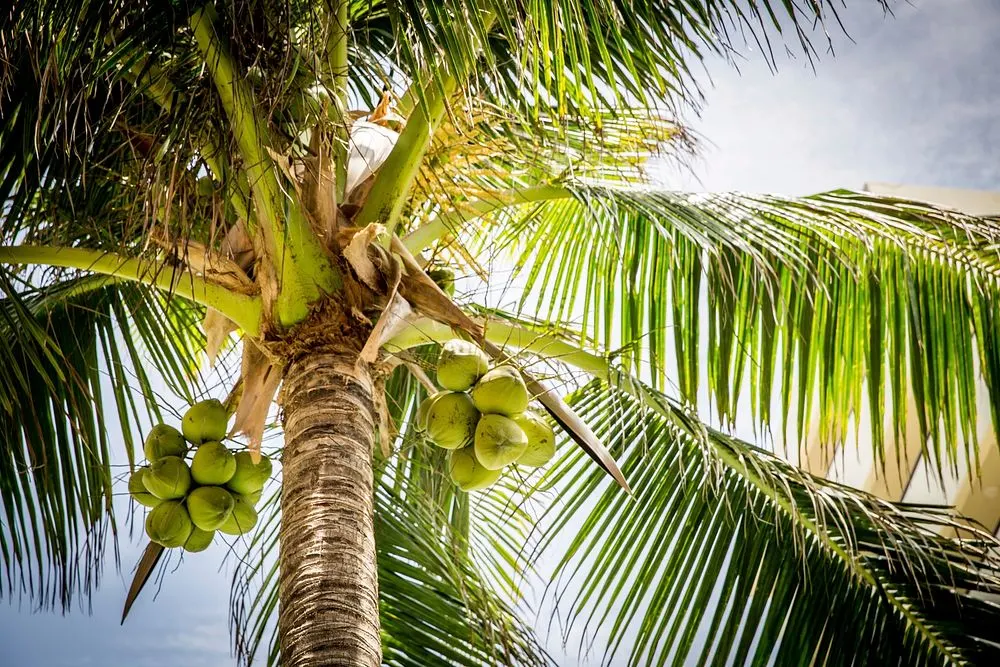
In the sun-drenched coastal regions of the world, a tree stands tall and proud, often hailed as the "Tree of Life." This tree is none other than the coconut tree, scientifically known as Cocos nucifera. Every single part of this tree is beneficial and contributes to food and industrial use. Its nut or seed has high nutritional value and cultural value. In India, it is a holy fruit and is used in worship and on auspicious occasions. Its leaves and outer husk part of the fruit are used in making things like baskets, brooms, etc. Its versatility makes it a cornerstone of economies and culture, particularly in tropical regions where they are cultivated.
Anatomy of Utility: A part-by-part Exploration
1. Coconut fruit
Coconut fruit is a large, round seed or nut of the tree, which is covered by a fibrous husk. The seed contains water inside, which provides it with nutrition during germination, even in adverse conditions. Some coconut fruits do not contain water but jelly; these are found in the Philippines and Java Island.
Coconut water: This is a clear, refreshing liquid found inside the coconut. The water contains nutrients like potassium and other electrolytes. It is a super hydrator and is widely used as a refreshing beverage. Cocktails, smoothies or raw drinking are among some of the uses of coconut trees. Also, check '5 Top Medicinal Plants to Grow for Profit.'
- Coconut meat (copra):
- Copra is the white fleshy meat inside the seed, which is eaten raw and used in dishes.
- Dried copra is shredded and used in baking, confectionery, and other dishes.
- It is also used in making coconut milk and cream. This milk is used in dishes to add a creamy texture, curries, desserts, and beverages.
- Copra is also used in making coconut flour, which is fibrous, rich in protein and gluten-free. Check out the 'Coconut mandi rate today.'
- Coconut oil:
- Coconut oil is extracted from dried coconut meat.
- This oil is used in cooking as it is rich in fatty acid profile and lauric acid.
- It is antimicrobial, anti-inflammatory, and antioxidant.
- It is used as hair oil, for skin massage and is a natural makeup remover.
- Coconut shell(the hard outer shell):
- The hard outer shell of the coconut is also useful.
- It produces high-quality charcoal, used in water purification, air filters, and in some medical applications.
- The round shape of the sheet is used in craftsmanship. It is used in making beautiful artwork, bowls, cups, lamps, buttons, etc. Check out the Mangalore mandi price today.
2. The coir (coconut fibre):
- The fibrous husk is present between the coconut and its shell. This fibrous part is used is make ropes, mats, brushes, due to its strength and resistance to saltwater.
- Coir dust is used as peat moss in horticulture. It has water retention capacity and aeration properties, making it ideal for nurseries, hydroponics, and potting mixes.
- Coir is used in making mattresses as it has thermal insulation properties.
3. The coconut palm
Coconut palm consists of trunk, leaves, and roots, and they are also used in making various things.
- Palm wood (Coconut timber):
- The older trees that reach the end of their fruit-bearing life are cut down for timber.
- It is a sustainable substitute for conventional hardwoods in flooring, furniture, decorative panelling, and construction work (rafts, beams, and columns).
- It is highly valued for its distinctive grain patterns.
- Palm leaves:
- Coconut trees have large leaves which are used in house sheds, providing natural insulation.
- They are woven into baskets, mats, hats, handicraft items, bags, etc.
- The midribs of the leaves are strong and flexible, perfect for making brooms.
- In some regions, the tender leaves are fed to animals.
- Palm sap: It is collected from the unopened flowers. It provides a sweet liquid that is used in making various beverages.
- Toddy: It is an alcoholic beverage made by fermentation.
- Neera: It's a sweet, nutritious drink also called palm nectar.
- Coconut sugar / Jaggery: The sap is boiled down and yields natural palm jaggery or coconut sugar. It is widely used as an alternative to sugar.
- Vinegar: Coconut vinegar is also made by fermenting the coconut. Also, check out 'Black pepper mandi rate today.'
- Roots: While roots are less common, in some cultures, it is used for medicinal purposes.
The ‘Tree of Life’ in India
In India, coconut trees are harvested in the coastal states like Kerala, Goa, Karnataka, Tamil Nadu, Andhra Pradesh, Maharashtra, and West Bengal. In India, coconut trees are more than just a plant; it is of high value. In southern states, coconut is an integral part of cooking, shaping landscapes, and providing livelihood. The demand for coconut is continuously growing, and in non-coastal regions too, coconut is exported for coconut water and rituals.
Environmental Benefits:
Besides several uses of the coconut tree, the tree also has several environmental benefits. The roots of the coconut tree help prevent soil erosion, particularly in coastal regions. Coconut plants can also be grown with crops such as banana, supporting a variety of flora and fauna. Also, check '5 Crops with Low Investment and High Returns 2025'.
The "Tree of Life" reminds us of the deep connections between people, plants, and the environment and serves as a tribute to nature's unending generosity in a world that is increasingly looking for natural and sustainable solutions. One coconut at a time, its philanthropic legacy keeps improving lives.