



How to Grow and Sell Organic Vegetables in Local Mandis
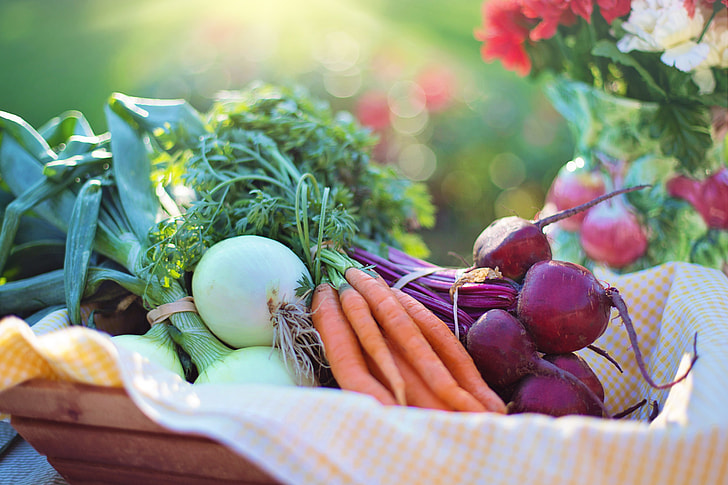
You're right; organic farming is experiencing a boom, and it's wonderful to see more youngsters choosing it as a career, especially with the government actively promoting sustainable agriculture.
Farmers who sell their organic, pest-free produce in local mandis are certainly getting better prices. Organic farming is thriving because people are increasingly aware of sustainability, health, and the benefits of local products. But how to grow and sell vegetables in local mandis?
For Indian farmers, selling organic vegetables in local mandis offers a fantastic opportunity to connect directly with consumers. This approach not only brings higher financial returns but also builds crucial customer trust and loyalty. Also, check 'Digital tools for sustainable farming.'
How to begin your journey towards organic produce
Switching to organic farming or starting organic farming is not an overnight process. It is a gradual and well-planned transformation. Applying some easy techniques and farming methods will get you towards organic farming and far from harmful pesticides and deadly chemical-filled vegetables.
Soil health: It is essential to maintain soil health as pesticides and fertilisers reduce the quality of soil. Using vermicompost or compost, made from animal manure, kitchen waste, and farm waste, is an excellent strategy to rejuvenate soil health. This can be achieved by making your organic manure.
Additionally, using biofertilizers like Azotobacter and Rhizobium enhances soil nutrition. Furthermore, planting legumes between main crops adds organic matter, fixes nitrogen, suppresses weeds and prevents soil erosion. Crop rotation helps balance nutrient uptake in the soil, breaks pest and disease cycles, and improves soil structure.
Pest and Disease Management:
-
There are several disease and pest-resistant seeds available that are organic and open-pollinated.
-
Some techniques, such as growing plants together to deter pests, help reduce pests. For example, marigold repels nematodes, and basil repels flies.
-
Neem oils and neem cake are effective organic pesticides and pest repellents.
-
Use pheromone traps or sticky traps to monitor and control pest populations.
Weed management:
To manage weeds, use organic mulch like straw, dried leaves and grass to cover the open area around the crop; it conserves moisture and regulates soil temperature. If you have a small farm, you can do manual weeding. Timely tillage can help reduce weed germination. Also, check 'How to get premium prices at mandi'.
Water management:
To prevent a lot of water waste, drip irrigation helps in water conservation. Start rainwater harvesting by collecting and storing rainwater for irrigation. Healthy soil with organic matter holds moisture, thus reducing irrigation needs.
Get certification: Organic authenticity
However, it is not necessary to take any certification to sell organic produce in local mandis. In India, the certification for organic produce is the National Program for Organic Production (NPOP). This gives you a certificate for selling organic produce. It increases consumer trust and helps in grabbing high prices.
There are two methods to get certifications.
1. Third-Party Certification: This can be expensive and time-consuming. In this, you apply to an accredited certification body and undergo inspection for two to three years. They will check the process of farming and the materials used in farming and provide you certificate. Check out Andhra Pradesh Mandi rates.
2. Participatory Guarantee System (PGS): This is a peer group certification system which is perfect for small farmers who sell locally. Farmers organise into neighbourhood associations, jointly establish guidelines, visit one another's farms, and confirm compliance with organic standards. Next, the organic PGS-India logo is applied.
Sell Organic Vegetables in Local Mandis
Identify your target, Mandi: Choose the mandis that are designated to sell organic vegetables. Identify those local mandis that are near higher-income residential areas. Here you can get high prices. Timing is also important; choose peak hours and sell fresh produce. Observe existing vendors and their offerings.
Presentation is the key: To reduce damage, harvest your vegetables at the ideal maturity level and handle them with care. Make sure the produce is clean and free from soil. Present Your Vegetables in an Eye-Catching Way. Use sanitised containers or baskets. For a high-end look, take into account environmentally friendly packaging choices like paper or jute bags.
Pricing strategy: Do not overprice the produce. Believe in selling in large quantities, even in less price. Check the mandi rate of Jammu & Kashmir.
Build customer relationships: First, build a relationship with customers. Be present in the stall, engage with them and tell them about the farming practices. This increases the trust towards you and your product. Offer discounts to repeat customers and satisfy your customers, and they will promote your shop and products.
Branding: Even if you have a small shop, give it a brand or name. You can add a small board to your stall. If you have a certification, add it to the board.
Challenges and tips to grow and sell organic vegetables in local mandis
Yields: Initial yields or organic produce might be lower for a few years during the transition period. Be patient and focus on building organic methods and soil health. Check the Maharashtra mandi rates in the Shuru app.
Pest management and weed control: Constantly learn pest and disease management techniques. This will increase your understanding and will make it easier to apply these methods correctly. Also, controlling weeds can be labour-intensive.
Direct selling: Explore direct selling opportunities to both individual consumers and local hotels. Create your online presence, such as a simple webpage, and build connections through WhatsApp with local community groups and residential associations.
Growing and selling organic vegetables in local mandis is a rewarding endeavour. Despite the challenges, organic farming is very profitable and thriving. While it requires dedication, often double the labour, and a specific mindset, it proves to be highly beneficial in the long term.