


Understanding How Mandi Rates are Decided | A Complete Guide
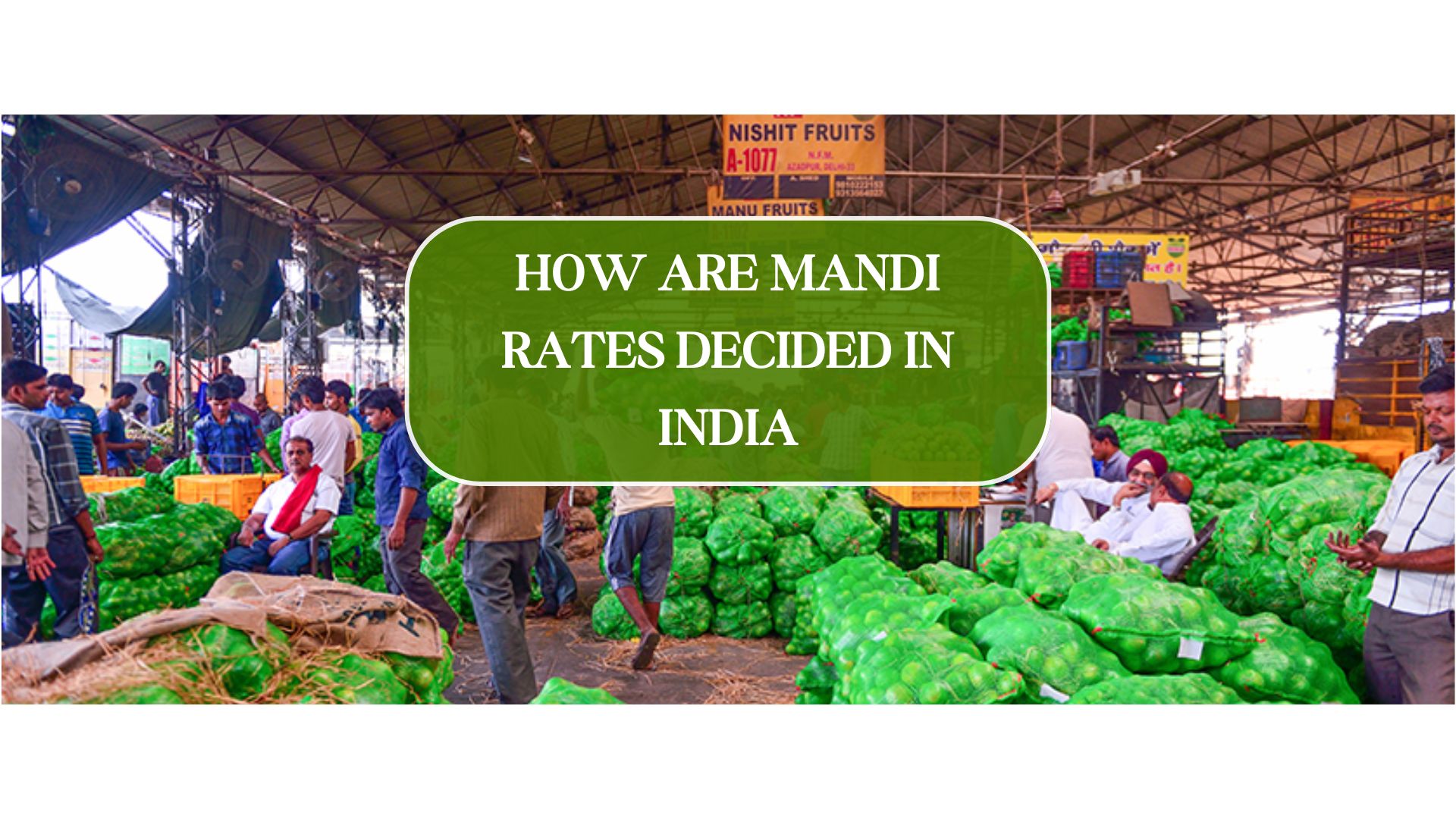
India's agriculture is dynamic and diverse, with millions of farmers growing different crops to feed billions of people. A key component of this large system is the mandi system, which is an agricultural platform. How are mandi rates decided, and how important is it? A question that arises in the mind of every common person. For a farmer, the mandi bhav is not just a normal factor. It represents the value of a year of hard work to earn a livelihood.
Mandi price is a decision taken while considering multiple variables. It ranges from the most basic, supply and demand, to more complex systems like government policy, market trends in India, and globally. To look for commodity prices, explore different mandis by searching the keywords like Maharashtra mandi.
Mandi rates are important, not just for farmers, but for traders, policymakers, and in the end, it is important for every consumer. Mandi prices represent transparency, fairness, and an important part of the system that enables the country to feed itself. Here is a detailed aspect of how the mandi rates are decided.
The Basic Principles: Supply and Demand
The pricing mechanism in mandis in India is primarily based on the fundamental factors, i.e., demand and supply. These two factors are the most common answer to the question, How are mandi rates decided?
Supply is the quantity of a particular crop produced or available in the market. There are various factors affecting the supply of any product or commodity, such as its production quantity.
Supply: This refers to the total quantity of a particular agricultural commodity available in the market. Factors influencing supply include the volume of crops produced, the time when the produced crops arrive in the mandi, and many more.
Demand: This term expresses the total quantity of any product, crop, or commodity that buyers want to purchase. Various factors affect demand, such as population growth, the choice and preferences of the population, and seasons.
Other Factors Affecting Mandi Bhav
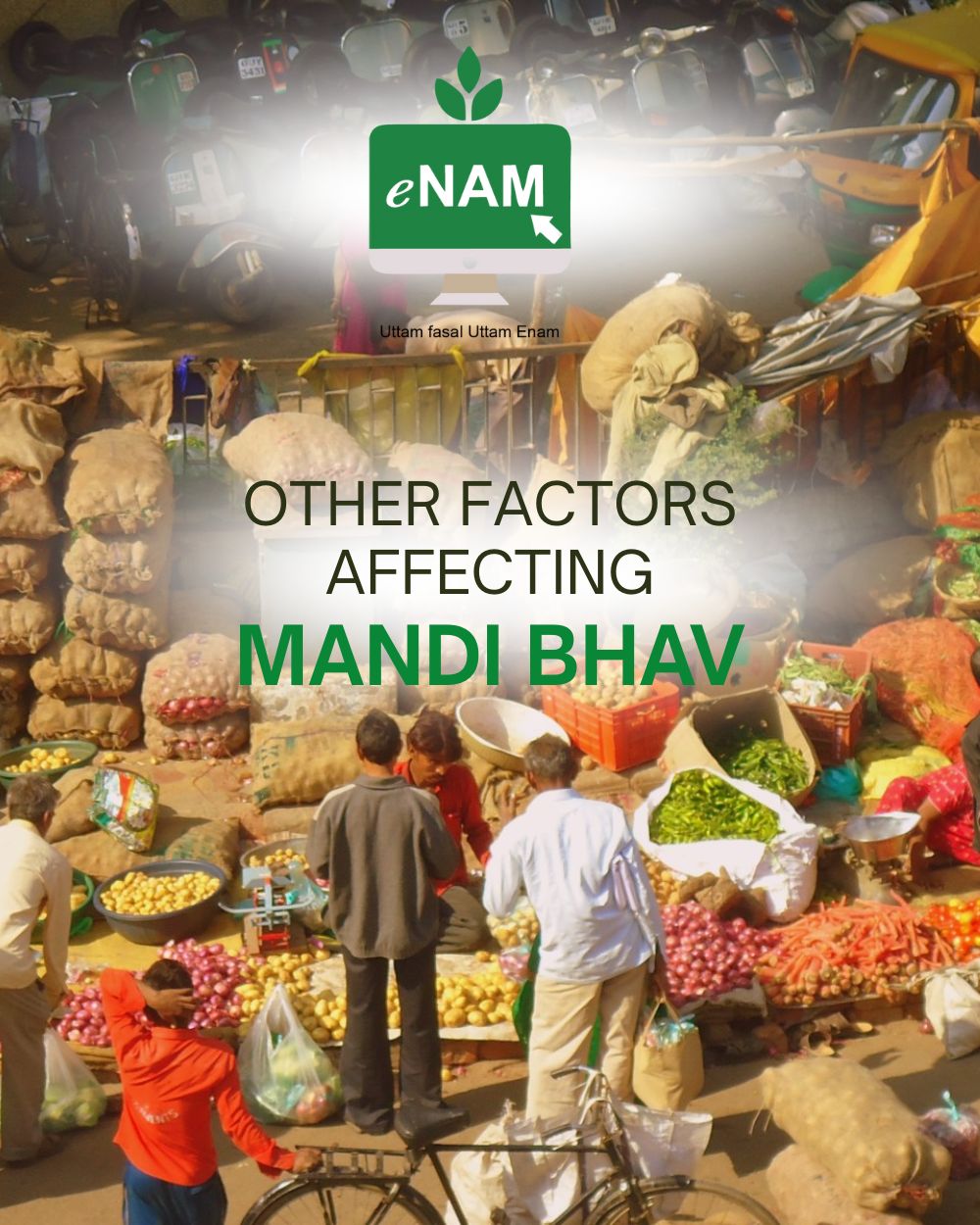
To know how the mandi rates are decided, let’s study various other factors affecting mandi bhav:
Grade and quality of products: Better quality produce that is consistent in quality and free of damage and pests sells for better prices. Many mandis involve some sort of system to promote efficacy. Produce is normally examined by buyers before an auction to determine quality. Each agricultural commodity has established Fair Average Quality (FAQ) rules, and differences in quality can impact price.
Transportation costs: Transportation costs are another factor that affects the farmer's net realisation and the cost to buyers. It also involves the cost of a vehicle, fuel consumption, driver’s charges, and other expenses.
Storage costs: There is also some storage or carrying cost, in the case a farmer or trader wishes to hold on to the produce until prices increase. These costs can include warehousing or storage fees. Although there is a risk of crops getting destroyed over time, if not, it can offer high profits.
Losses after harvesting: Post-harvest losses from improper handling, storage, or transport can lead to a lower effective supply, increasing the price of the remaining produce, but at a loss to the farmer whose produce was wasted.
Seasonal changes: Prices of agricultural products also depend on seasonal changes. There is a season when the crops are harvested and the off-season. Prices are usually low during the harvest season as there is a high volume of crops or products available in the market. Prices usually increase when it’s not the season because of the decline in the quantity available in the market.
Weather: Weather plays a crucial role in the overall agriculture domain and is an unpredictable factor. Appropriate rainfall contributes to the higher production, which contributes to the decline in price. Less or excessive rainfall may have a reverse impact. Other factors like temperature, if in favour of agriculture needs, contribute positively, leading to high production and low prices. At the same time, if it’s not in favour, it leads to losses and higher costs.
Government policies: The government is a crucial factor impacting mandi rates. There are initiatives by the government supporting the price, such as the Minimum Support Price (MSP). There are various government-based factors impacting the price, such as import and export policies, government food-based agencies, and many more.
The Role of e-NAM
Recently, the Indian government has been focusing on mandis to get opportunities in various aspects, including digitalisation. Affiliation with e-NAM has been a common trading platform in India, which offers a wide scope to the mandis. It is a unique platform that connects existing APMC mandis and creates a common online market to trade agricultural products.
Wider marketplace options: After connecting with an e-NAM mandi, you can sell and purchase from any state or different mandis in the same state, meaning more competition from sellers and better price discovery.
Price transparency: Real-time market price information of all e-NAM mandis is available on the e-NAM platform, so farmers have reduced information asymmetry and can go wherever they are offered the best price.
Reduced the need for intermediaries: e-NAM introduced online trading. It reduces the use of intermediaries, makes it easy for buyers and sellers to trade, and could allow the farmer to capture a larger share of the final retail price.
Quality trading: The portal e-NAM promotes quality trading, as the e-NAM platform does the testing of quality and offers an infrastructure that allows farmers to get their best price for quality products.
Conclusion
The process of determining mandi rates in India is a complex and dynamic system with many moving parts influencing each of the factors within that system, with various aspects like supply and demand, various government initiatives, advancements in technology, and other necessary factors playing a role in the mandi rate in India. These factors discussed above answer the query of how mandi rates are decided and affected.