


How Cold Storage Affects Mandi Prices and Profits
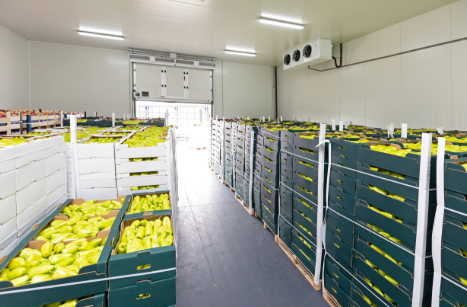
India is known for agriculture and the geographical aspects that support these practices. The nation is one of the largest producers of fruits and vegetables in the world. However, the fruits and vegetables available in the mandis are comparatively low. As these crops are perishable, the quality of the crops usually falls by the time it is purchased by the customers. This nature of the crops introduces the importance of cold storage.
Cold storage is important for Indian farmers as it has numerous benefits and contributes to the efficacy, along with high profits. The concept of cold storage helps farmers to store harvested crops for a longer period and sell them whenever the market situation can offer them better profits. It provides various facilities with advanced technologies, such as temperature management.
Impact of Cold Storage
Cold storage is a factor which can affect the mandi prices of any crop and price. Adapting the facilities of cold storage has various benefits. Here are some of them:
1. Reduced post-harvest losses
The latest public cold storage facilities near farms generally reduce post-harvest losses with various initiatives like controlled temperature environments. It helps farmers extend the life of their produce, rather than being susceptible to rapid spoilage and being forced to sell at the lowest price point. Reduced waste contributes towards increased profits.
2. Better timing and price control
Cold storage facilities offer farmers the ability to store crops, giving them time and flexibility over when to market their product. There are times when farmers harvest their crops, and they have no option but to sell. This can be a challenge for farmers when they let market conditions decide the timing of when they sell their product, especially with prices. With the ability to cold store, farmers have expanded options, allowing them to make decisions with a proper approach. It is suggested that farmers and buyers understand the MSP and mandi bhav for a better understanding of the concept of crop prices.
3. Higher quality and safety
If public cold storage facilities are managed and run by modern chain storage processes and techniques, then there will be added value by way of higher product quality. The food cold storage process will ensure product quality by preventing spoilage, perishability, and the growth of bacteria.
4. Common facilities
Farmers can potentially integrate the use of a cold storage facility with other small-scale farmers. It cuts individual cost and ensures access to reputable storage for even the smallest of producers. Farmers can bring their resources together to gain the necessary infrastructure to modernise, and develop a partnership that does not obligate the full costs of the cold storage development of infrastructure.
5. Reduced transportation costs
Having a modern cold storage facility at or near an agricultural area can eliminate time-consuming factors (transportation) and loss due to spoilage in transit. It results in saving transportation costs. Farmers must track the local mandi bhav to identify the perfect time to sell crops.
To check the updated mandi prices, you must check the Raipur mandi or any other mandi near you.
Benefits of Cold Storage Facilities
1. Preventing spoilage
Cold storage keeps perishable goods, such as fruits, vegetables, dairy, and meat, at the correct temperature and humidity, stopping the natural ripening and deterioration process that leads to food spoilage or waste in the food supply chain. This method of preservation keeps the product fresh for a longer time, so there is less chance it will end up being thrown away due to spoiling shortly. It is one of the crucial tips for farmers to consider while selling crops, as prevention is important in promoting efficiency.
2. Increases the life of crops
Refrigerated storage or storage at the proper temperature extends the shelf life of perishable foods. Food that normally spoils in a few days can be preserved for weeks or even months, depending on the food. The increase in shelf life gives producers, wholesalers and retailers more marketing time before the product spoils, reducing the amount of unsold, wasted product on the shelves.
3. Reducing overproduction waste
Proper storage of crops allows farmers and suppliers to store excess production during peak harvest seasons, often when demand is absent. By the goods at controlling temperatures, it allows farmers to avoid the waste of throwing away produced but surplus crops. Farmers can wait until demand increases and sell any crops produced, reducing the waste from overproduction.
4. Efficient distribution
Properly positioned cold storage and freezer storage facilities, both in different areas of the country or near the production zone, can greatly reduce the time frame of transporting farm goods to retailers. Reducing the transport time reduces the risk of spoilage and waste. Cold storage keeps the produce fresh, which allows for better transport of goods, as there is less likelihood for items to be thrown away due to temperature fluctuation during longer transport.
5. Increasing export potential
For farmers, cold storage is essential for maintaining product quality for long-distance shipping, as is the case for exports. Cold storage is important, as the facility will allow farmers and businesses to be assured that their goods will be moved losslessly internationally, as it will remain in top quality (therefore decreasing the risk associated with food waste from spoiled product in transport).
6. Better inventory management
Modern cold storage solutions give businesses improved inventory management. Businesses can even track temperatures and approx time in their lives. That means businesses can use the stored product more effectively to avoid waste from expired or forgotten about stock. Improved stock rotation and strategic planning ensure that products are consumed before they spoil, further reducing waste.
Government Initiatives Supporting Cold Storage
Mission for Integrated Growth of Horticulture (MIDH): It works alongside the Department of Agriculture and Cooperation to expand and improve the cold storage industry in India with their complete cooperation. Hence, the cold storage initiatives by the government provide a structured infrastructure with proper facilities and smooth trading of crops overall.
Pradhan Mantri Kisan SAMPADA Yojana (PMKSY): This scheme aims to create robust agri-infrastructure, including cold chain development, by providing financial assistance for setting up and modernising cold storage facilities.
Integrated Cold Chain and Value Addition Infrastructure: This initiative focuses on establishing cold chain infrastructure to reduce post-harvest losses and improve market connectivity.