



How Climate Change is Impacting Mandi Rates in India
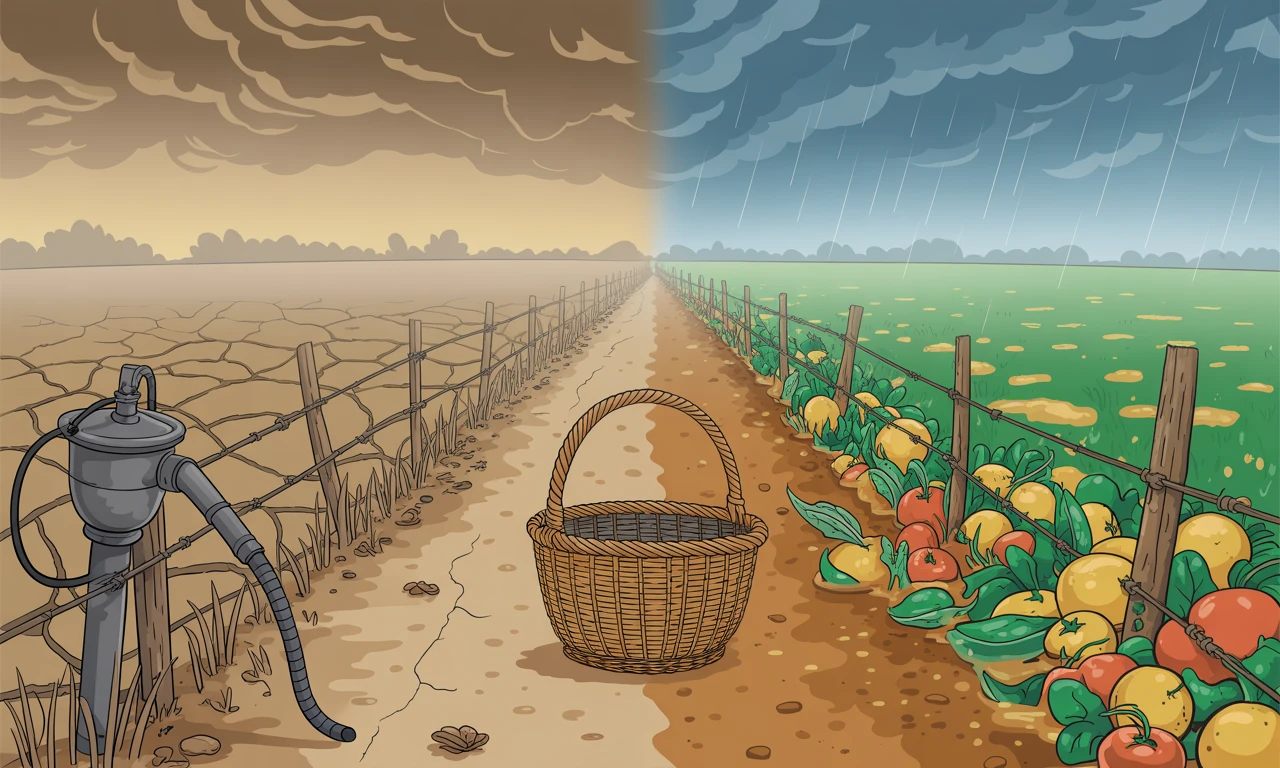
Mandi are agricultural markets in India playing a crucial role in determining farmers' income and livelihood. Farming is heavily dependent on weather, and climate conditions influence not only which crops reach the mandi but also the prices they fetch. Climate change, therefore, can significantly impact mandi bhav (market rates). But how does this happen? Let’s understand with an example.
For instance, unseasonal rainfall during the harvesting period of onions in Maharashtra can damage a large portion of the crop. With reduced supply in the mandi, onion prices might spike sharply. On the other hand, excess rainfall during sowing can delay planting and reduce the area under cultivation, affecting future supply and prices. Also, check 'Digital tools for farming: Helping towards sustainable agriculture.'
Unpredictable nature of climate change
Fluctuating monsoons: Indian agriculture is closely tied to the seasons, but unpredictable weather can delay sowing and harvesting, damage mature crops, and reduce yields. When supply falls, mandi bhav (market prices) naturally increase. Also check, 'How to get a premium price at the mandi.'
Extreme heatwaves and cold snaps: With the rise in global warming, temperatures are increasing, and crops that usually thrive in specific climatic conditions may no longer receive the optimal environment needed for growth. Wheat (Rabi crop) is particularly vulnerable to heat waves, when a sharp increase in temperature right before harvest can cause grains to shrink and lose quality, affecting their mandi bhav. On the other hand, frost or unexpected cold spells can harm horticulture crops that are sensitive to temperature changes.
Floods and droughts: Both flood and drought destroy standing crops and disrupt the supply chain. Both scenarios result in reduced arrivals at mandis and a price spike for affected commodities. A spike in price might look good for farmers, but in the long run, it destroys the soil, crop quality and invested money.
Water Scarcity: With the unreliable monsoon and global warming, water scarcity is increasing. Many crops that need water, like paddy and sugarcane
Understanding Mandi Bhav
Mandi Bhav are the prices of crops that farmers get in exchange for agricultural commodities. The pricing always depends on the supply, demand, product quality, and climate change. Climate change directly affects crop production and logistics, leading to altered mandi rates, which in turn impact retail prices and farmers' profitability. Also, check Punjab Mandi Bhav today.
Impact on farmers:
For farmers, lower yields and damaged crop quality lead to less produce and lower income. Most of the farmers in India take loans for farming, which creates a cycle of financial distress and debt.
Due to drought, farmers spend more on irrigation, and in excess rain, the chances of crop damage and pest outbreaks are higher. Thus, farmers need to spend more on irrigation and pesticides or climate-resilient seeds, which increases their cost and cuts their profit margin.
The unpredictability of the climate and full dependence on the monsoon make financial planning impossible. Due to a lack of investment in modern techniques, farmers are abandoning agriculture or migrating.
Impact on consumers:
Climate damage reduces harvest supply and leads to higher mandi bhav, and due to intermediaries in between, farmers get a lower price, and consumers have to pay retail prices, which harms both.
In worst cases, consumers do not get seasonal crops of desirable quality and quantity, reduce a well-nutrition diet and impact health and dietary choices. Also, check the Mandi Bhav of Madhya Pradesh.
The price swings make it difficult for households to budget for essential food items, increasing economic stress.
Adaptation and advancement towards climate change: The Path Forward
To make Indian agriculture advanced and less dependent on monsoon, researchers are working towards a multi-prolonged approach, focusing on adaptation and promoting market intelligence.
Climate-Resilient Agriculture (CRA):
The Indian Council of Agricultural Research (ICAR) has developed crop varieties resistant to drought, heat, salinity, and floods under programs like NICRA (National Innovations in Climate Resilient Agriculture). Promoting shifts to advanced crops such as zero tillage, direct seeded rice, etc.
Advanced irrigation techniques, such as drip and sprinkler irrigation, are being promoted on farms to reduce water wastage and increase farming productivity with less water.
Improved storage facilities and cold chain:
Investing in cold storage and an effective transportation system, especially for perishable items, can reduce post-harvest losses. India is working in this direction, but there is still a long way to go.
Digital mandis are promoted to connect farmers directly to the buyers, which reduces price exploitation during localised weather-induced gluts or shortages by enabling better price transparency across regions.
Government policies are also supporting farmers in pre- and post-harvesting. Some of the known policies that are working are:
-
Pradhan Mantri Fasal Bima Yojana (PMFBY) and Weather-Based Crop Insurance Scheme (WBCIS).
-
The India Meteorological Department (IMD) provides Gramin Krishi Mausam Sewa (GKMS) with district-level forecasts and advisories.
-
MSP prices mitigate some financial risks when mandi rates go down. Also, check the difference between MSP and Mandi Bhav.
Continuous research and development are going on in the direction of creating sustainable agriculture. Krishi Vigyan Kendras are here to educate the farmers about climate change, its impact on mandi bhavs and best adaptive practices.